

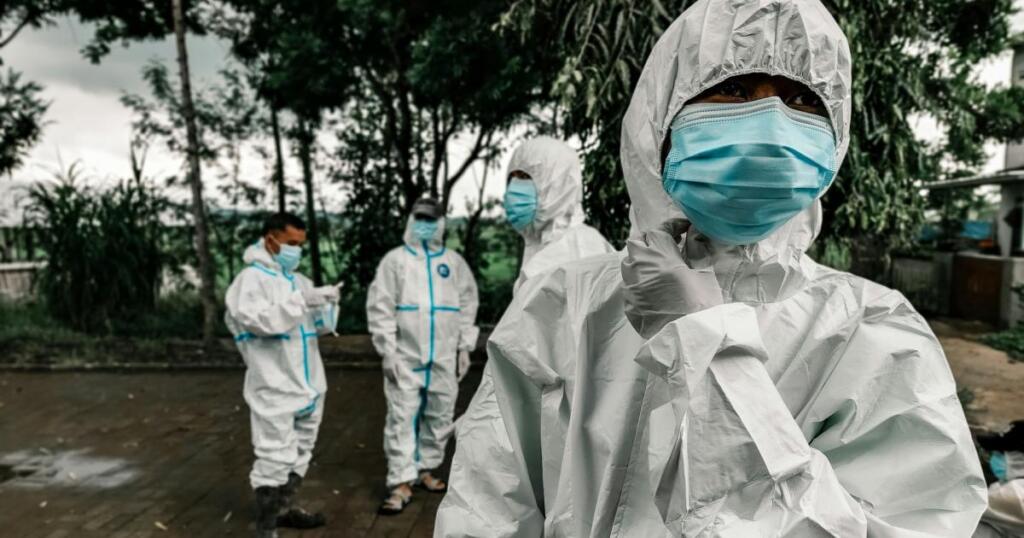
As of May 20, 2026, the new Ebola outbreak declared in the Democratic Republic of Congo (DRC) had already caused 160 deaths and at least 670 suspected cases had been reported, mainly in the eastern province of Ituri, according to data from the Congolese Ministry of Health. The provinces of North Kivu and South Kivu are also affected by the outbreak. At least two confirmed cases have also been recorded in Uganda.
“The rapid spread of the Ebola virus across different provinces of the Democratic Republic of Congo, and beyond its borders, raises fears of a large-scale epidemic, all the more difficult to contain as there is no treatment or vaccine for the identified strain,” explains David Montano Inturias, general coordinator for Doctors of the World in DRC.
This is the third detected epidemic involving the Bundibugyo strain, which is less common than the Zaire strain and quite poorly understood, after those that occurred in Uganda in 2007-2008 and in the DRC in 2012. The estimated average case fatality rate of the Bundibugyo strain is around 50%.
Prevention, the central pillar of the response
To prevent the spread of the epidemic and limit the number of deaths, the early identification of suspected patients is crucial. “Médecins du Monde teams in North and South Kivu are preparing to strengthen infection prevention and control measures in all the health facilities where they already work regularly. We also plan to provide support to several health centers in the city of Bukavu and on Idjwi Island, located halfway between Goma and Bukavu,” explains David Montano Inturias.
In addition to training healthcare staff and providing hygiene and protective equipment to health facilities, Doctors of the World teams will mobilize a network of community liaisons to raise awareness among the population about the risks associated with the disease, the identification of symptoms, and the preventative measures to adopt. This prevention strategy will also improve community surveillance and help to break the chain of transmission.
“In the absence of a vaccine, focusing on prevention measures is the best way to contain infections. A better-informed population is a better-protected population,” insists David Montano Inturias.
This Ebola epidemic is the seventeenth that the DRC has experienced since the first case was discovered in 1976.
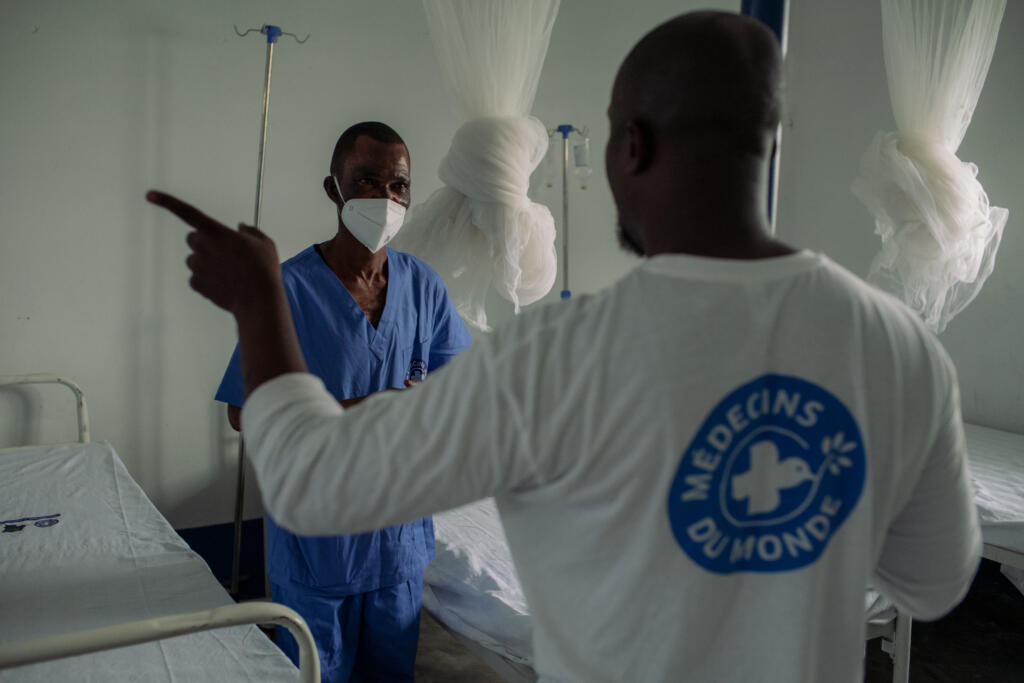
Serial epidemics
Meanwhile, the city of Bukavu is facing a major cholera epidemic, with over 280 suspected cases and 4 deaths already recorded. “Our teams are also working to see how they can support the health authorities in the face of this cholera epidemic. Unfortunately, we fear that in the months and years to come, we will be confronted with more and more epidemics, with fewer and fewer resources to respond,” worries David Montano Inturias.
The decline in humanitarian and development cooperation funding, including the suspension of some US funds, has impacted many health prevention and surveillance programs in the country, further weakening a health system already under pressure from 30 years of chronic crises and conflicts.