
©Segundo Barrio Futbol Club
Every year, as the school sports season approaches, a quiet obstacle emerges for families in El Paso’s Segundo Barrio neighborhood: their kids want to play soccer, but to play soccer, they need a sports physical.
For most people, that means one phone call and a copay. In this Texas border community, it’s rarely that simple.
A neighborhood where the barriers run deep
©Segundo Barrio Futbol Club
Segundo Barrio, on El Paso’s south side just steps from the US-Mexico border, is a historic gateway community for immigrants crossing into the United States—known by many as the other Ellis Island. It’s also one of the most economically distressed neighborhoods in the country. For some families here, cost alone is enough to keep them from seeing a doctor. For others—particularly those without documentation—fear is a barrier that runs deeper than money.
“Many of our families are undocumented and have limited access to resources including medical services,” says Simon Chandler, founder of the Segundo Barrio Futbol Club and Coordinator of Community Schools for El Paso Independent School District. “Many are fearful of seeking assistance because of the current political climate.”
That fear is not abstract. Across El Paso, families are avoiding hospitals, clinics, and emergency rooms—even when they or their children are seriously ill—because of the real risk of being sent to a detention center and/or being deported. The consequence is a community where the simple act of getting a child cleared to play sports becomes an obstacle course.
Meeting families where they are
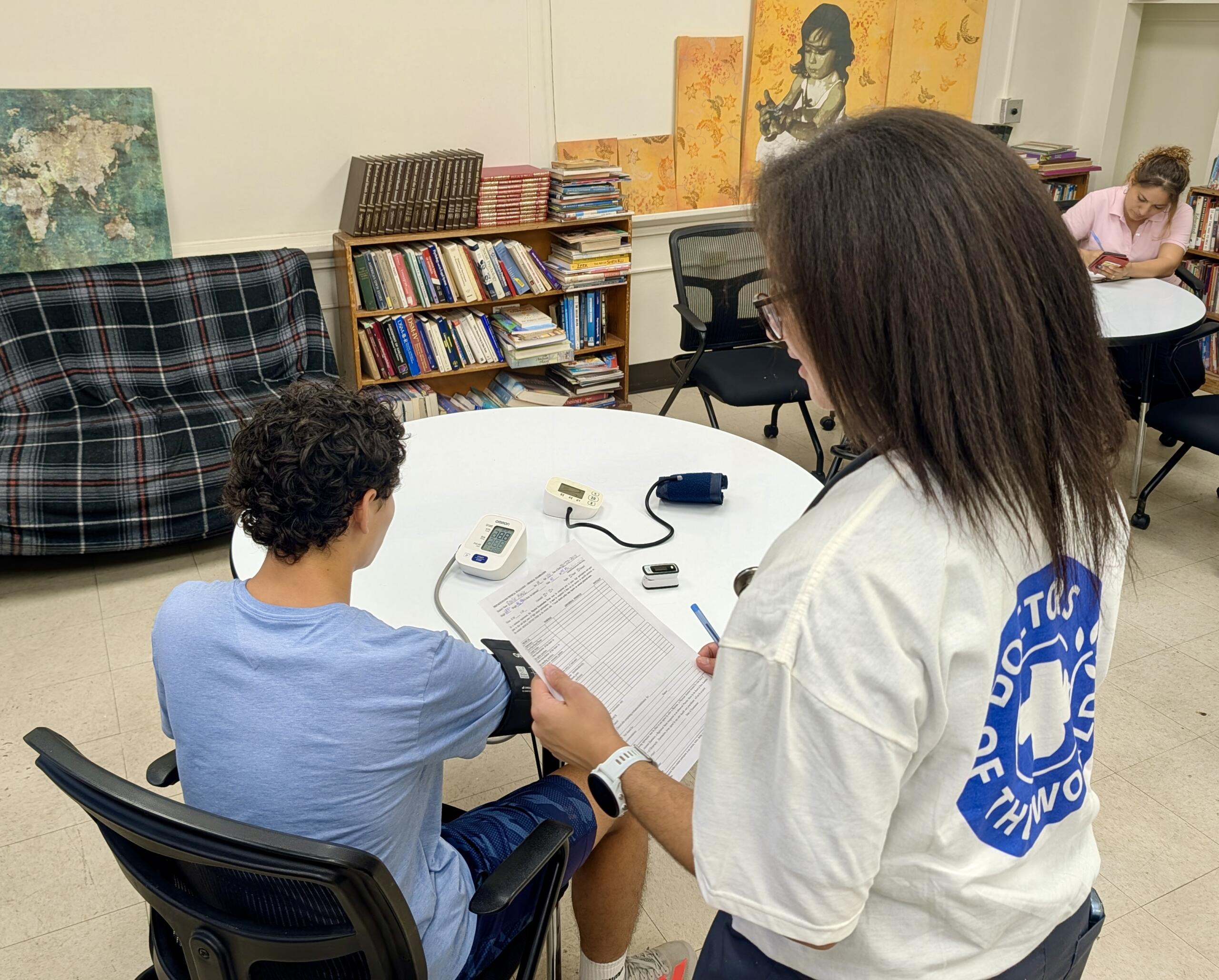
This season, Doctors of the World and the Segundo Barrio Futbol Club found a way through that obstacle course. In partnership with the Texas Tech Pediatrics department, Doctors of the World provided sports physicals to 43 children in Segundo Barrio, ensuring they could meet the requirements for participation in the club.
Parents expressed relief at having care available in their own neighborhood—free, fast, and in a familiar space. The kids, for their part, were simply excited to start the season and get involved in more school activities.
“Services such as yours are critical,” Chandler says of the partnership with Doctors of the World, “where we can offer an important service in an environment where families feel secure with people they know.”
For the children who came through that day, the physical wasn’t just a piece of paper. It was the thing standing between them and a season of soccer—teammates, coaches, structure, belonging.
Sisters Monzze, 14, and Zoe, 12, both play for Segundo Barrio Futbol Club. For them, the free physicals made the difference between playing and sitting out. “The physical helped us be prepared to enter school sports,” Monzze says. “We like to play for Segundo Barrio FC because they help us to grow as athletes and in school.”
Zoe puts it simply: “The free physical helped me to have the opportunity to play sports during the school year. I like to play for Segundo Barrio because it’s a dream that can guide me and prepare me for the professional leagues.”
Why youth sports matter in communities like this
©Segundo Barrio Futbol Club
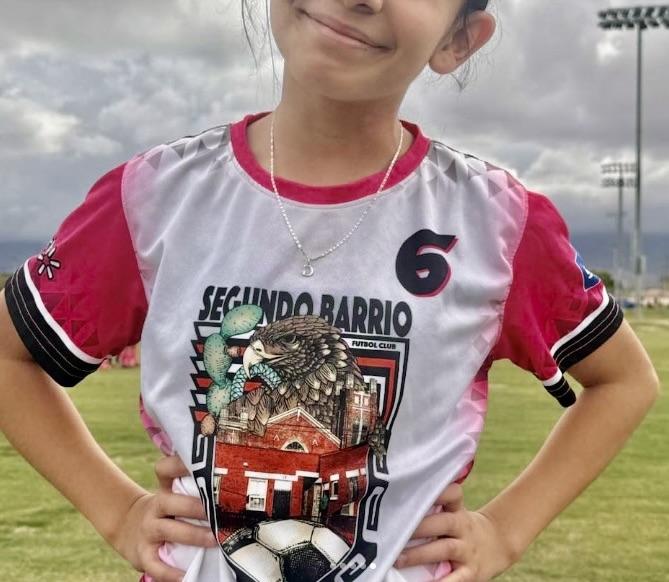
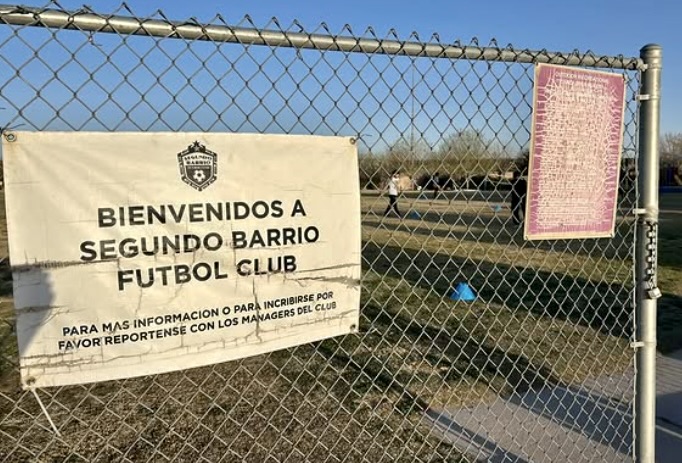
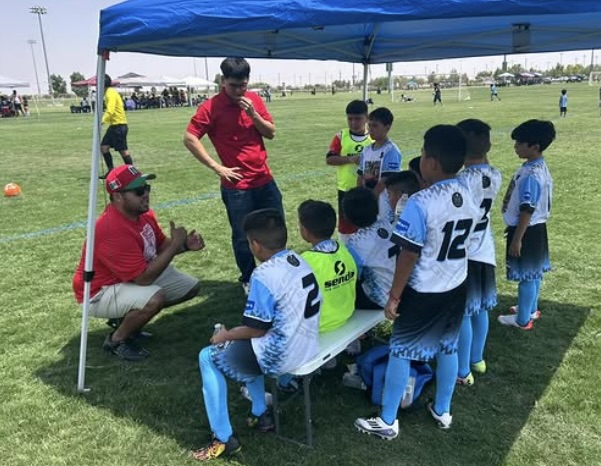
The Segundo Barrio Futbol Club started in 2011 with one team. Because demand was overwhelming, it grew into four programs—recreational leagues, competitive travel teams, a girls’ program, and an academic college prep program. There is no charge to participate. Every coach is a volunteer, a community member or parent of a player.
The kids describe what it means to them better than anyone else can.
Thomas* came to the US full of energy and nowhere to put it. His mother remembers the call from his teacher: “She said to me, ‘Your son has too much energy.’ She told me they were going to start a soccer team. So I brought him over, and he’s still there to this day.”
Now Thomas has a plan. “When I grow up, I want to be professional,” he says, “and I want to be a coach when I retire.”
©Segundo Barrio Futbol Club
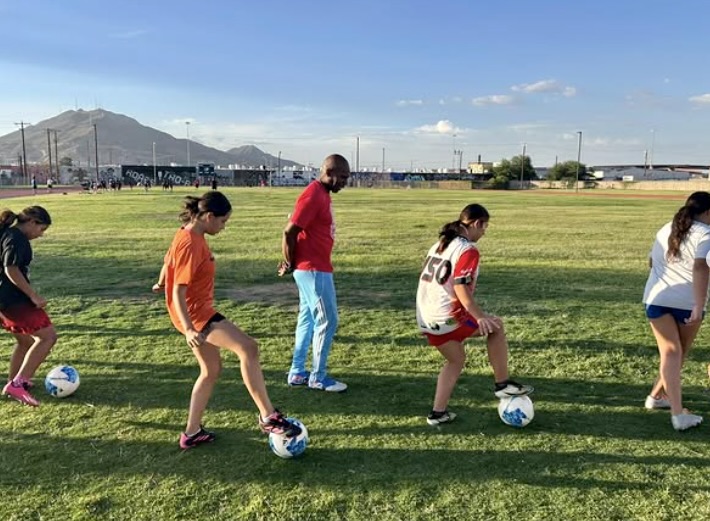
One of his teammates is equally direct: “Instead of being in the street doing drugs, you’re here exercising and doing your best.” She has her own goals. “I would like to win a soccer scholarship and join a women’s league.”
For immigrant children navigating displacement, language barriers, and family anxiety about detention and deportation, a soccer team can be a lifeline. Twice a week, at a field just 300 yards from the Texas-Mexico border, that’s exactly what practice offers them.
And all of that starts with a physical.
Healthcare without barriers, one physical at a time
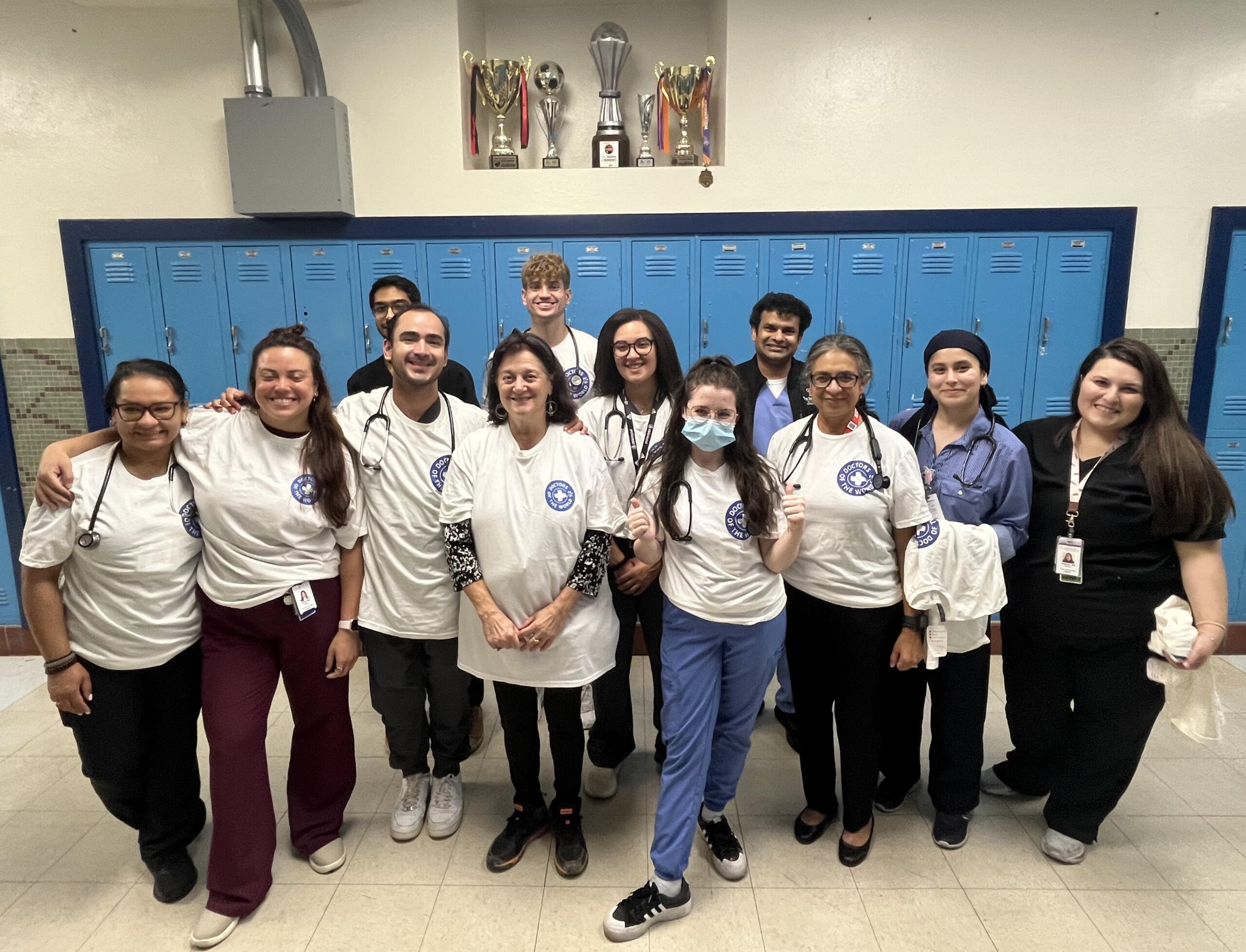
This is what Doctors of the World’s Border Health Program in El Paso looks like on the ground—sometimes urgent, life-saving care, and other times something that appears simple on the surface but means everything underneath.
Because access to healthcare isn’t just about survival. It’s about the conditions that allow young people to thrive.
For the children of Segundo Barrio, a soccer season shouldn’t depend on whether their family is willing to risk everything for a doctor’s visit. This partnership means it doesn’t have to.
Help more kids in Segundo Barrio get their season, and the care that makes it possible. Support Doctors of the World’s Border Health Program in El Paso.
*Name changed to protect privacy.