
By Megan Palacio, Border Health Program Coordinator, Doctors of the World USA
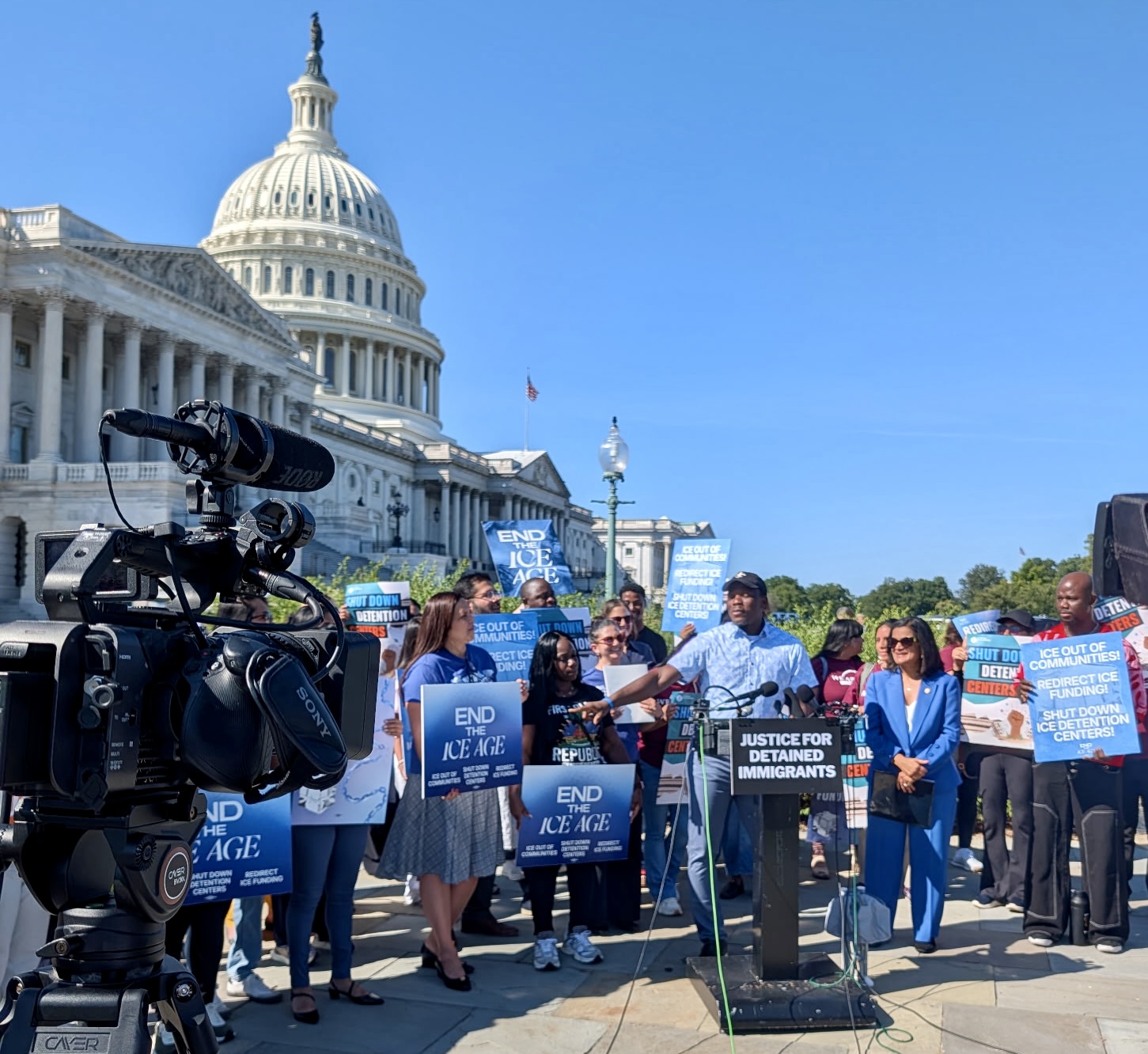
Earlier this month, I traveled to Washington, D.C. with advocates from across the country for a national day of advocacy organized by the Communities Not Cages campaign, which is led by Detention Watch Network and is working to shut down immigration detention facilities and stop new ones from being built. We spent the day meeting with the offices of lawmakers, and we told them what we are seeing on the ground in our communities and across the country.
I coordinate Doctors of the World’s Border Health Program in El Paso, Texas, on the U.S.-Mexico border, so I witness the impact of these detention facilities every day. Through the mobile clinics we run at migrant shelters and the medical evaluations we conduct inside detention centers, I meet the people who are released without their medications, often having gone days without the insulin or blood pressure medication that keeps them healthy. Missing those medications for even a day or two can become dangerous fast. I know firsthand what detention does to people’s physical and mental health, and being in D.C. gave me the chance to say it out loud to the people who have the power to do something about it.
What we see inside detention
U.S. Government Accountability Office / Public domain
The people we treat after release are only part of what we see. Our team also goes inside the detention facilities to conduct medical evaluations alongside legal partners, including mental health assessments and physical exams, documenting the injuries people sustain in custody and the care they were denied.
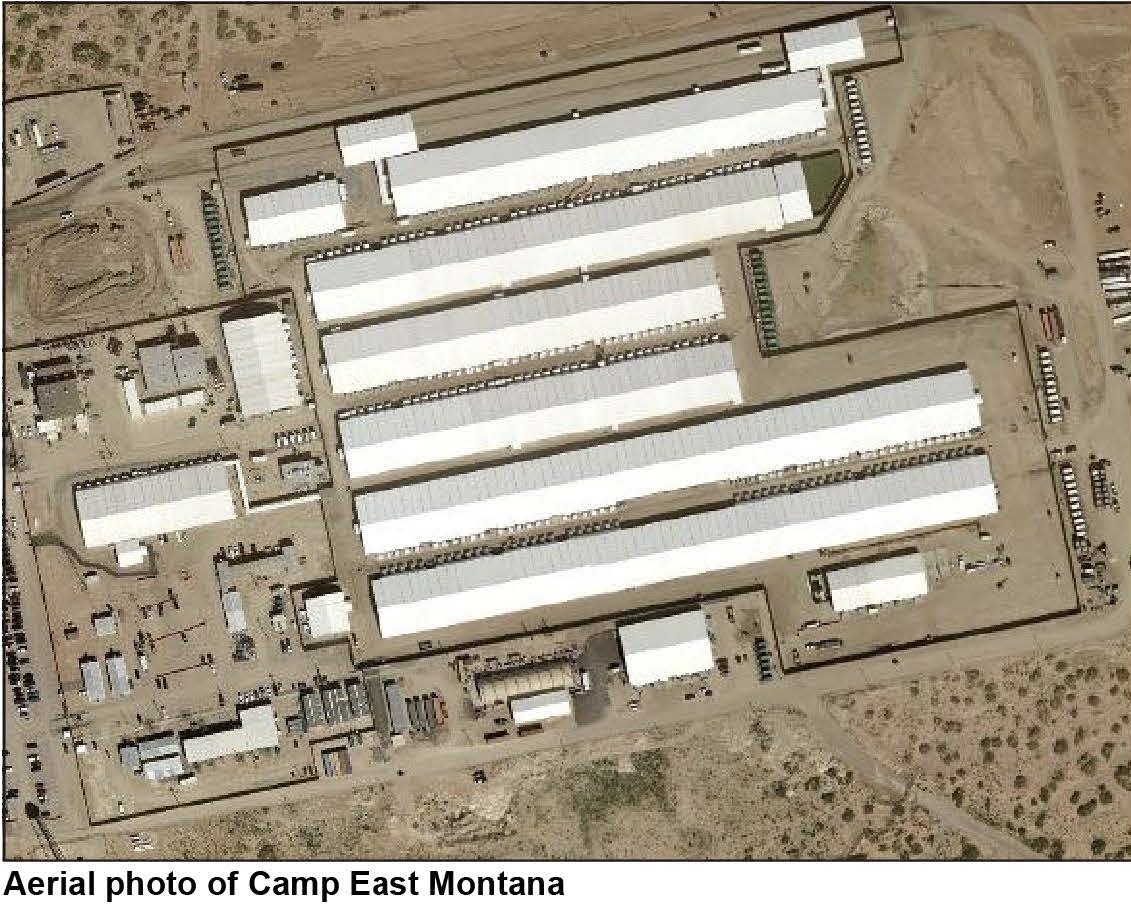
Nowhere is the problem more visible than at Camp East Montana, the largest immigration detention facility in the United States. It opened in August 2025 at Fort Bliss, a U.S. Army base in El Paso, and can hold up to 5,000 people. In the year since it opened, at least three people have died in custody—one of them a man whose death was ruled a homicide by the El Paso County Medical Examiner after he was denied his asthma medication and beaten by guards. Beyond these deaths, a federal lawsuit filed by the ACLU of Texas and inspections by federal officials have documented widespread failures to monitor and treat people’s medical conditions.
This is a healthcare crisis, and it is happening on American soil.
Why we went to Washington
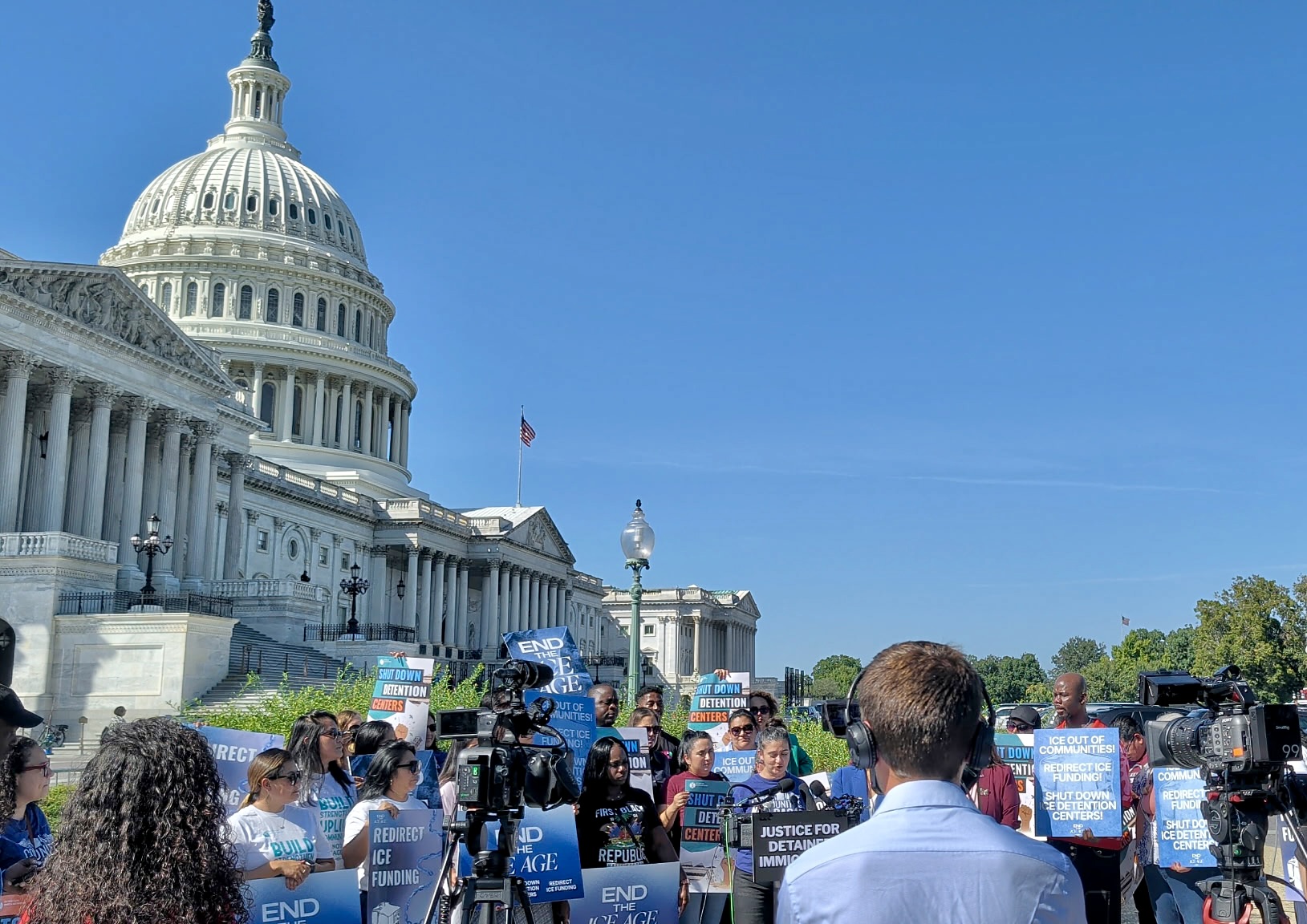
We went to Washington because staying silent is not an option when people are being denied basic healthcare while in government custody. We went because we have firsthand medical knowledge of what is happening inside these facilities through the work our team and our partners do.
We also went to tell lawmakers about what we are seeing beyond detention. Increased enforcement by Immigration and Customs Enforcement (ICE) has created a chilling effect on healthcare across the country. Patients are afraid to seek care, and providers who are unsure of the legal landscape are pulling back on the services they offer, and all of this is widening the gap in healthcare access for people who are already some of the most vulnerable.
We went because healthcare is a human right, and that right does not stop at the detention center door.
A moment I won’t forget
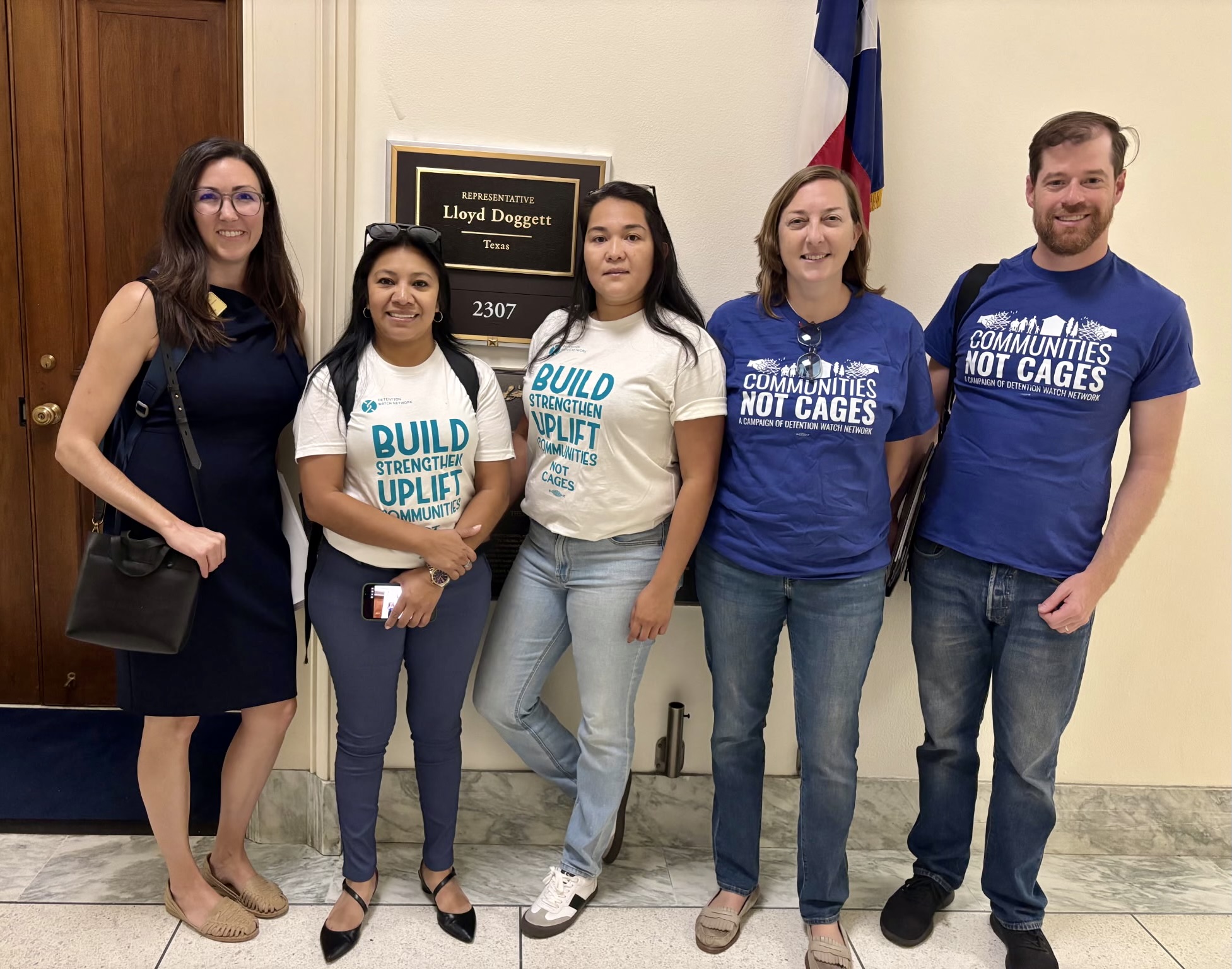
The most memorable moment was meeting with the office of Representative Lloyd Doggett, a Texas Democrat and a senior member of the committee that oversees federal health policy, and sharing what we are seeing on the ground.
I told a story about a mother who reached out in desperation because she thought her son had broken his arm at soccer practice and was terrified to take him to the emergency room. We explained how we were able to connect the family directly with diagnostic and evaluation care, so her son could be seen without the risk of going to the emergency room. There was a silence as both staffers and fellow community advocates listened but did not know how to respond.
What I’m bringing home
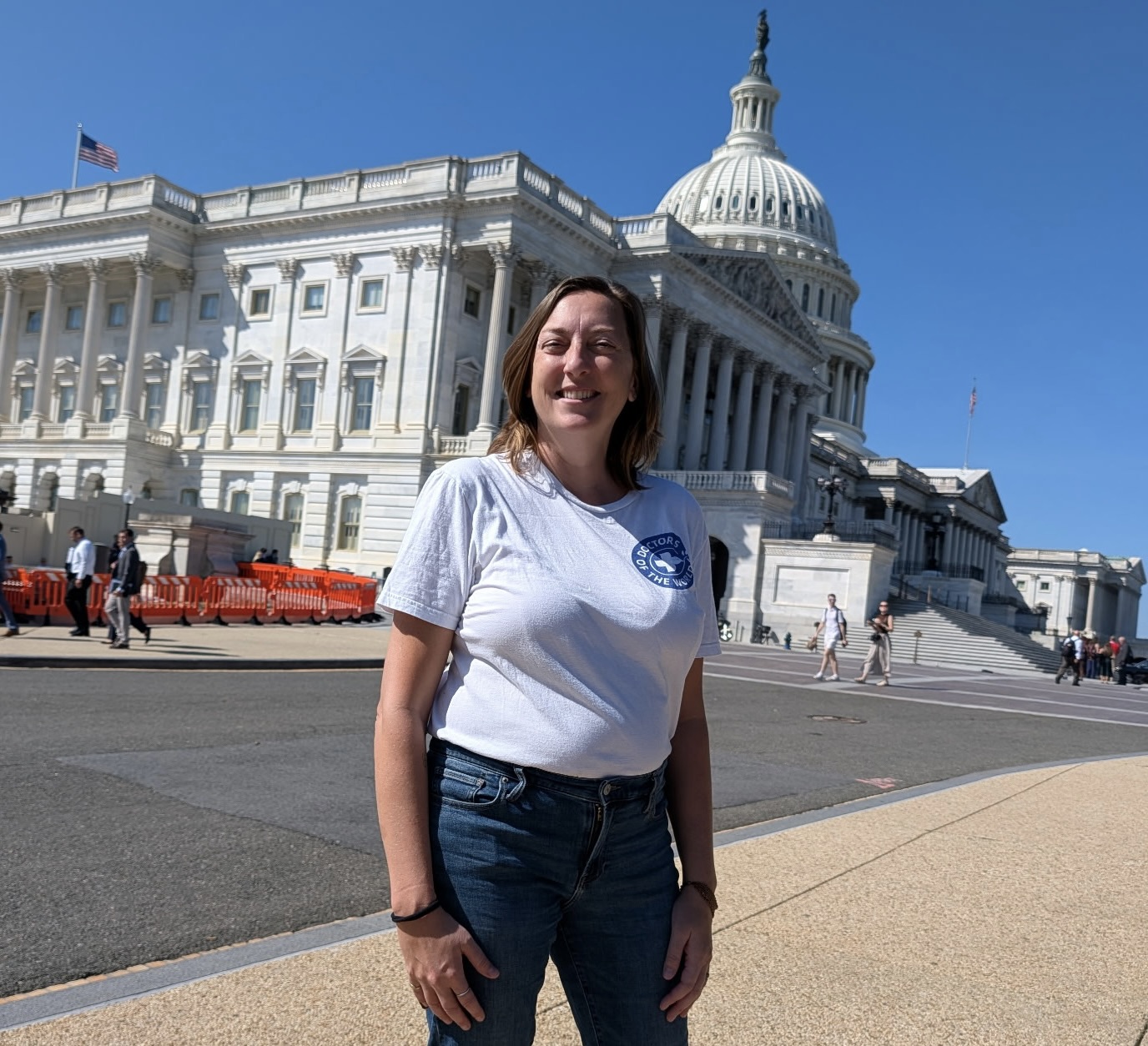
I was genuinely inspired to be in D.C. with so many other nonprofit partners who have chosen to speak out on this issue. Individually, in both direct service and advocacy, it can feel like you are the only one who cares, which can be disheartening and exhausting.
Being there energized me to continue the work, and it reaffirmed that what we are witnessing is real, valid, and worth speaking about. There are still people who care about other people and want health and safety for our neighbors and communities.
Help us keep providing care, conducting medical evaluations, and demanding accountability by supporting Doctors of the World today.