
Every August 19, World Humanitarian Day honors the aid workers who deliver food, healthcare, and hope in the world’s hardest places. This year, the message is urgent: those workers are being killed, injured, and blocked from doing their jobs at a record pace. And the weapons being used against them are getting more sophisticated.
Over 1,000 aid workers have been killed in the past three years—the most dangerous period on record for humanitarians. In 2026 alone, the World Health Organization has already recorded more than 900 attacks on healthcare facilities, workers, and patients worldwide, resulting in at least 900 deaths and more than 1,400 injuries.
And yet the people doing this work keep showing up, even though they know the risks better than anyone.
A new kind of danger
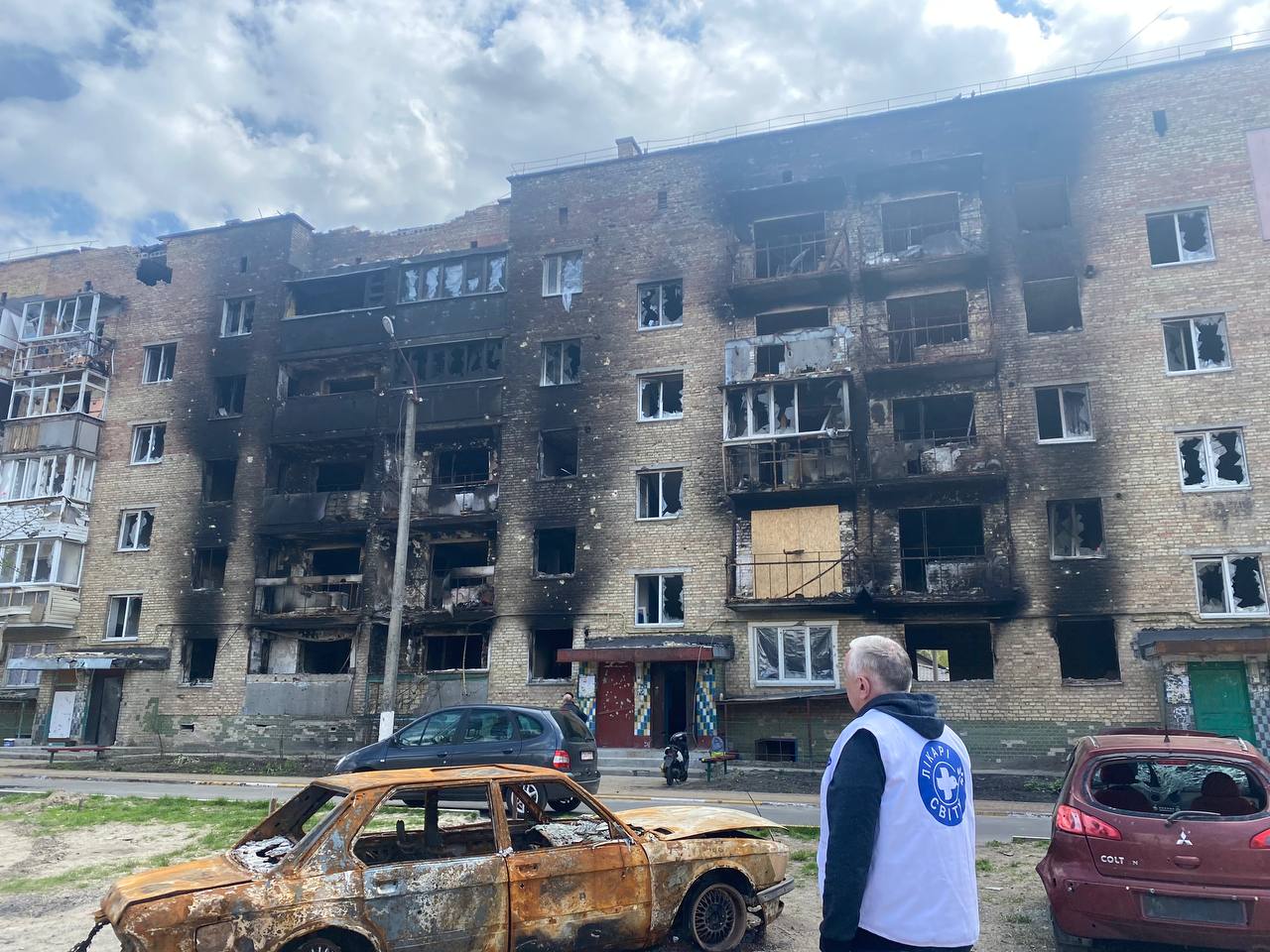
This year’s World Humanitarian Day draws attention to a specific and growing threat: armed drones and other new technologies that are making conflict faster, deadlier, and harder to escape.
Armed drones can track vehicles, strike targets from a distance, and keep entire communities trapped. They spread fear far beyond the battlefield. And increasingly, aid workers, their vehicles, and medical facilities are becoming targets rather than protected spaces.
Two Doctors of the World staff members in Ukraine describe what that looks like on the ground.
“I can’t remember ever having so many attacks”
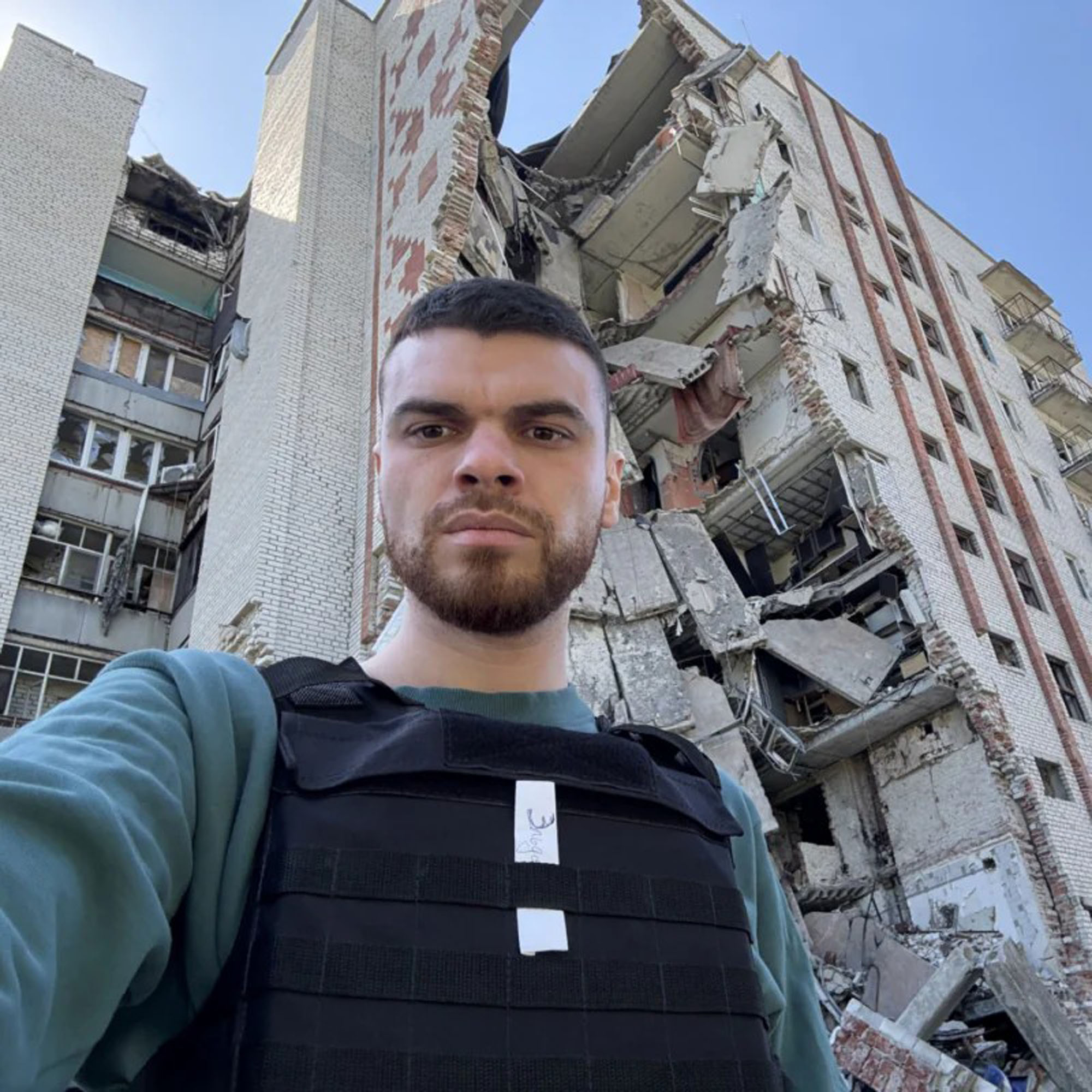
Eldar Hasanov works for Doctors of the World in Dnipro. In June 2026, he wrote about what the past several months have been like; not as a policy document or a field report, but as a person trying to get through each day.
“After a very difficult winter, we can now see and feel how the pattern has changed,” he said. “Previously, the focus was mainly on attacking power plants. Now we are seeing an increase in attacks on civilian facilities: last week, a massive attack on warehouses belonging to a postal company, an old church used as a concert hall, and a UNESCO-protected monastery. Combined drone and missile strikes, both day and night.”
On June 2, one airstrike struck a residential building in Dnipro, killing 20 people. Eldar could list the dates—May 18, April 25, March 26—each one representing human tragedies and painful losses. A father. A mother. Children just a few months old. Grandparents.
Living this way means a constant negotiation between survival and function. After every air raid, Eldar calls his whole family to make sure they’re alive. At night, he might miss the siren. If he does go to the shelter, he loses sleep. Then he still has to get up in the morning, make breakfast for his child, and go to work.
“The real problem,” he said, “is not knowing when it will happen to you.”
“After four years of war, it’s normal not to be doing well”
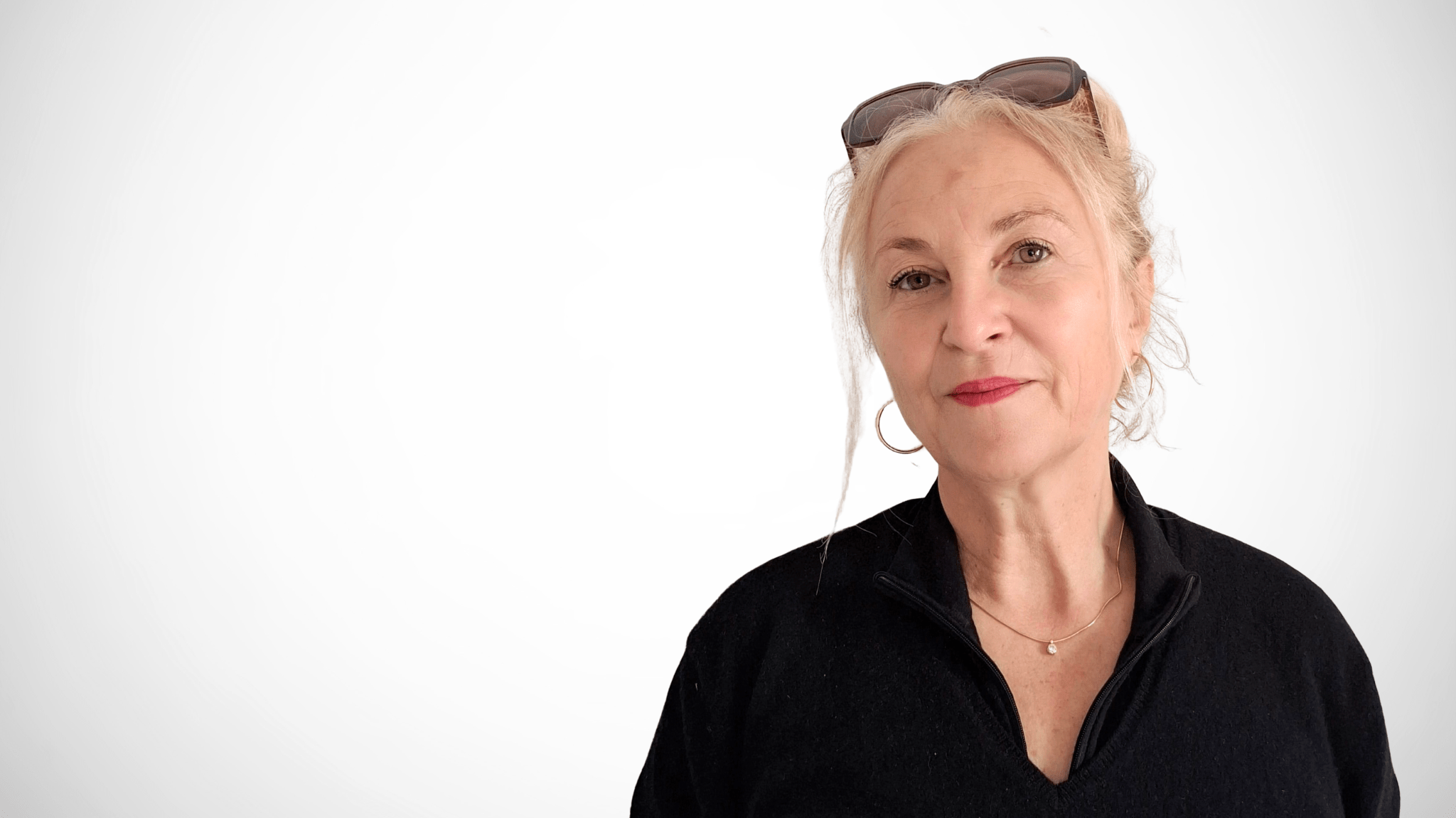
In Mykolaev, Sandrine Chopin, Doctors of the World’s General Coordinator, described the situation earlier this year in terms that remain relevant today. Power cuts from attacks on energy infrastructure have left health centers so cold that patients are reluctant to come in. Areas close to the front, like Kherson, face unrelenting drone attacks. And the most vulnerable—elderly people, those with limited mobility—are increasingly cut off from care.
To reach them, Doctors of the World teams make home visits, delivering medications and renewing prescriptions. In 2025, the organization conducted more than 2,000 telemedicine consultations, bringing care to people who cannot safely travel.
“Everyone has lost someone, or has a family member at the front,” Sandrine said. “Daily life is punctuated by air raid sirens. We are trying to destigmatize mental health: after four years of war, it is normal not to be doing well.”
Despite the pressure, the team remains united. “Humor, solidarity, and seeing the concrete results of our actions are essential drivers for staying the course.”
A pattern that spans the world
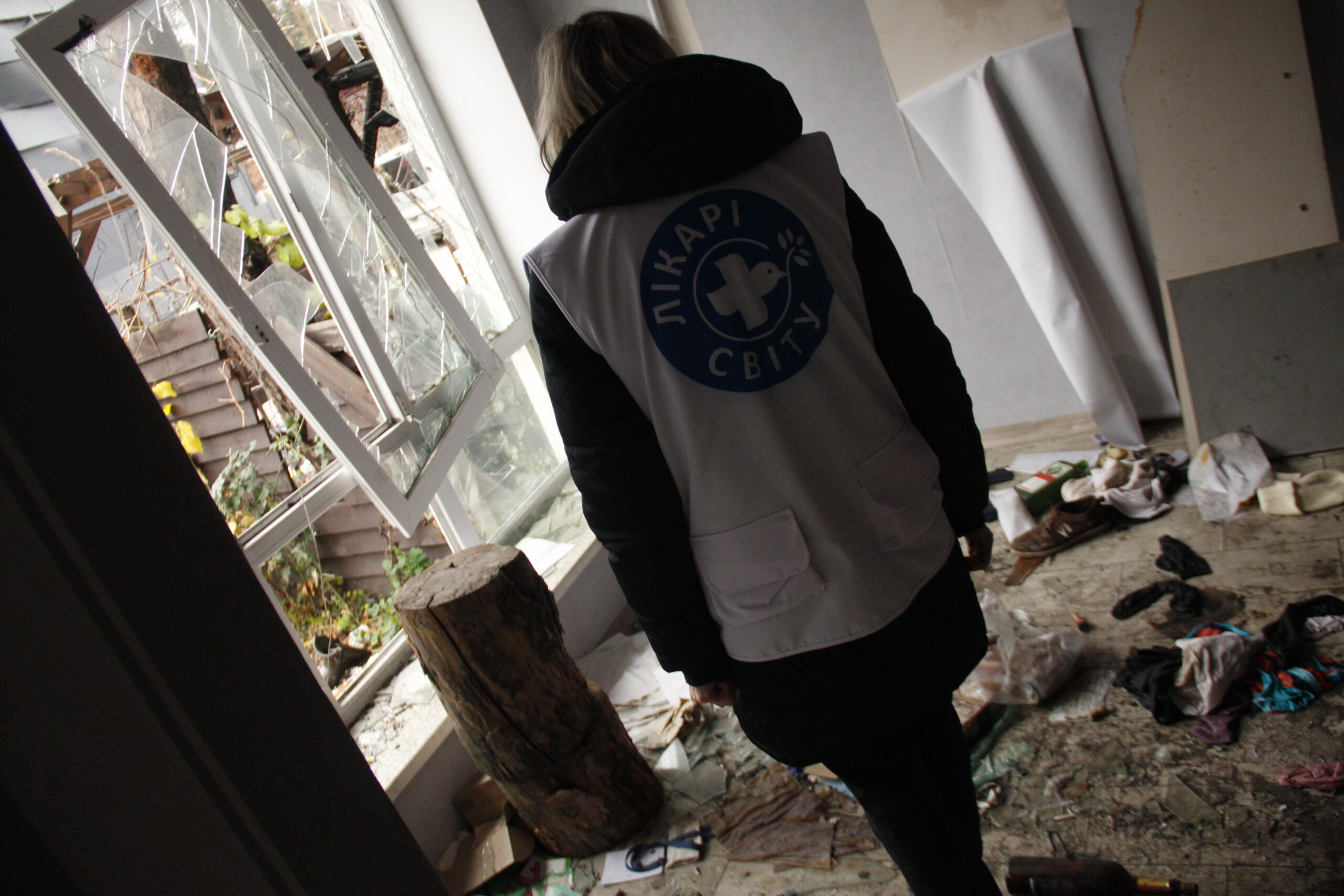
©Pietro Chekal – Médicos del Mundo
Eldar and Sandrine’s experiences are not unique to Ukraine, but the scale of what is happening there is staggering. Since February 2022, WHO has recorded 3,100 attacks on healthcare in Ukraine—with attacks increasing by nearly 50% in a single year, according to Physicians for Human Rights.
Ten years ago, the UN Security Council unanimously adopted Resolution 2286, condemning attacks on healthcare workers and medical facilities in armed conflict. Those commitments continue to be systematically violated.
Since Resolution 2286 was adopted, more than 17,000 attacks on health services have been recorded globally. In that same period, Doctors of the World documented 223 attacks on healthcare affecting its own operations—spanning Myanmar, the Central African Republic, Palestine, Yemen, Ethiopia, Colombia, Syria, and Ukraine. More than 3,600 healthcare professionals have been killed worldwide. In 64% of documented cases, state actors are responsible.
Most of those attacked are local workers—people like Eldar and Sandrine, who show up every day in the communities they serve.
Concern is not protection
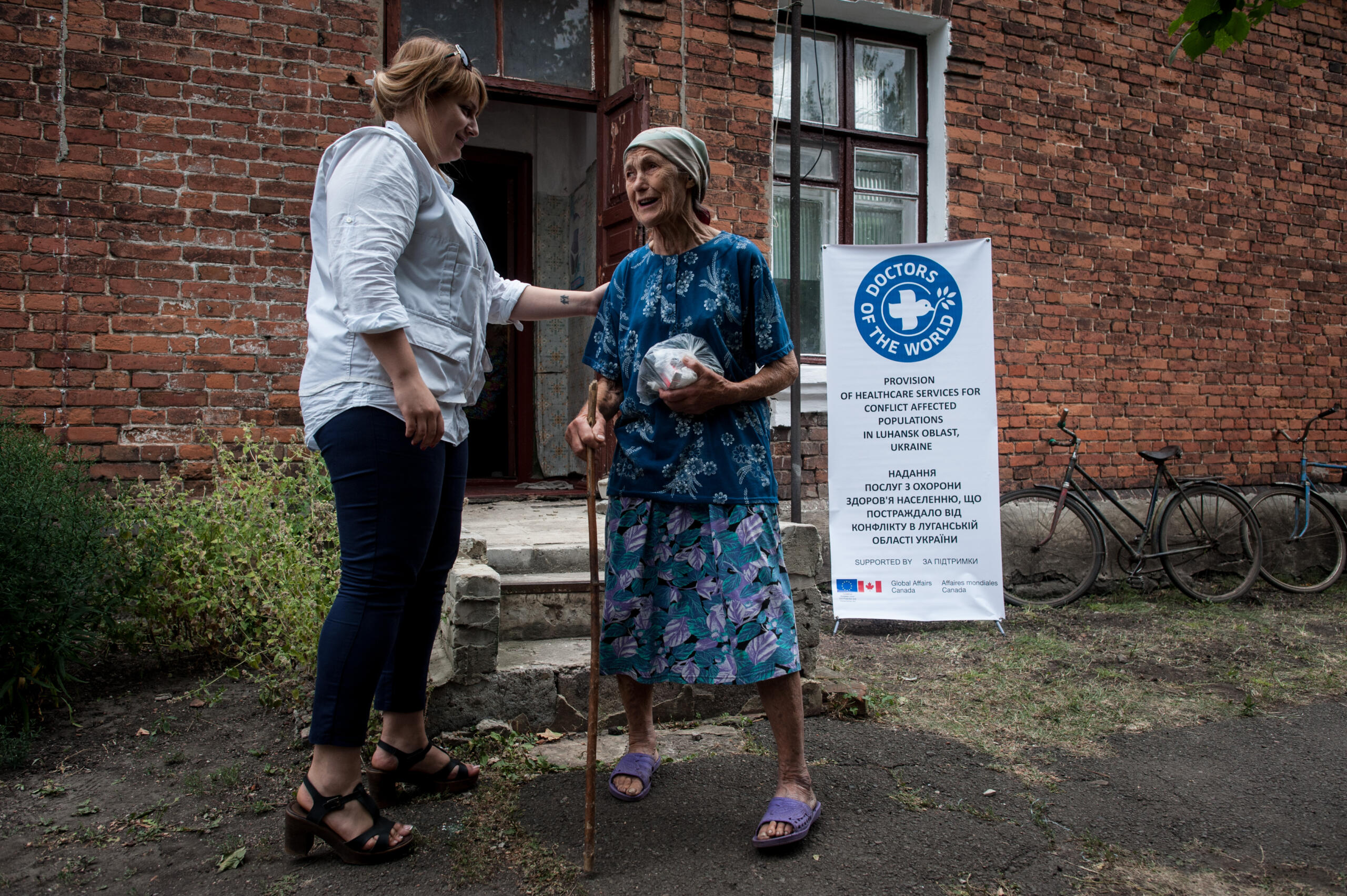
©Evgeniy Maloletka
On World Humanitarian Day, Doctors of the World calls on states to protect civilians and healthcare workers, investigate and prosecute attacks on aid workers, and ensure that violations of international humanitarian law carry real consequences.
Armed drones and new technologies are changing the nature of conflict. Our humanity cannot change with them.
The people who show up deserve better.
Support Doctors of the World teams in Ukraine and around the world. Donate here.