
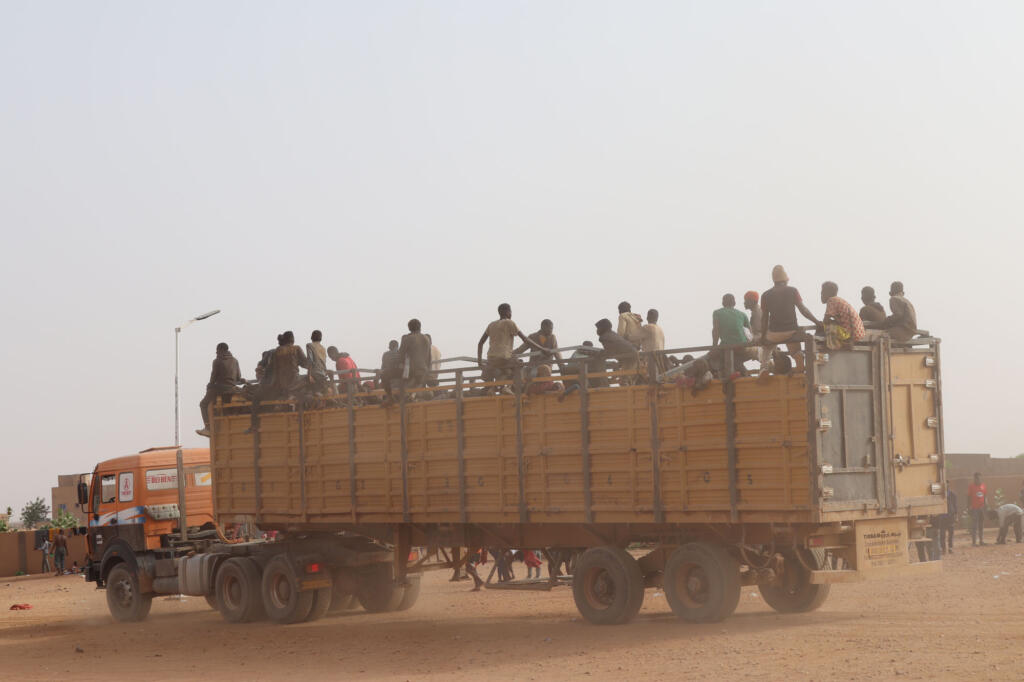
At the end of last week, 49 migrant workers from Niger, who were returning from a gold-mining site located on the border between Algeria and Mali, were found dead of thirst in the desert in northern Niger after their truck broke down. At the same time, 60 other people, who were also stranded, were narrowly rescued by authorities.
“This new tragedy reflects a migratory reality—too often forgotten—that pushes people in situations of extreme vulnerability to take extreme risks in search of a better life,” explains Toupou Lancinet, Regional Director for Doctors of the World in the Sahel.
The Ténéré Desert is a vast, arid, and hostile expanse, with very few passable tracks, almost no telecommunications network, and no water points for hundreds of kilometers. Crossing it, although extremely dangerous, is nonetheless one of the most frequently used migration routes for people from sub-Saharan Africa seeking to reach Europe, as well as for cross-border workers from Niger traveling to Algeria and Libya to carry out seasonal work. Earlier this year, 19 people, including women and children, had already died in the desert, this time on the route leading to Libya, according to authorities.
“People travel in inhumane conditions, in overcrowded trucks, without water, and in temperatures that regularly reach 40–45°C. Every year, we count dozens of deaths in the desert, under the indifferent gaze of the international community,” says Toupou Lancinet.
Added to this is the expulsion policy implemented by the Algerian authorities, and encouraged by the European Union, which endangers the lives of tens of thousands of people. According to Alarme Phone Sahara, at least 14,600 people, including many children and adolescents, were sent back from Algeria to Niger between January and May 2026, abandoned at the border in the middle of the desert. Similar practices—on a smaller scale—are also observed on the Libyan side, with 425 people in migration situations expelled from Libya to Niger since the beginning of 2026. Those who survive the crossing arrive in Agadez in a disastrous physical condition, exhausted, thirsty, and psychologically traumatized.
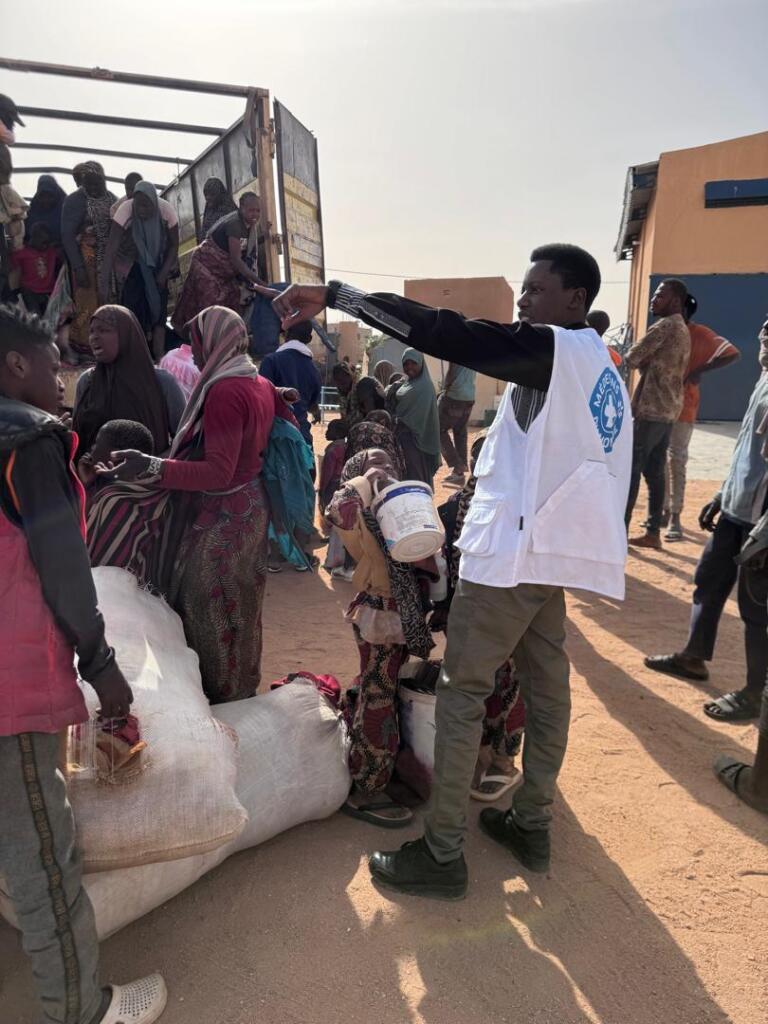
“The transit center, set up by Niger authorities in Agadez with the support of Doctors of the World, is becoming increasingly overcrowded. The facilities are designed to provide emergency medical and psychosocial assistance, as well as basic services such as access to showers, in the first hours after people arrive from the desert. However, in the absence of other solutions, more than 1,000 people were housed there for several days at the end of May; this situation is unsustainable in the long term,” explains Toupou Lancinet.
Doctors of the World is warning of the urgent need to strengthen reception capacity and medical and psychosocial care for people in migration situations in the Agadez region, including in Assamaka, located 15 kilometers from the border with Algeria. The organization also calls on donors to supportlocal authorities and the actors working on the ground to improve search and rescue systems in the Ténéré Desert in order to avoid new tragedies.