
IN THE FACE OF INJUSTICE, CARE IS SOLIDARITY
Doctors of the World USA is a global health and humanitarian organization that delivers medical care—and defends the right to it—in areas where health systems are strained, collapsing, or inaccessible. We respond in emergencies and stay long after the cameras leave, working alongside local communities to build lasting care.
One of 17 chapters in the Doctors of the World/Médecins du Monde (MdM) international network, we combine global reach with local action. Headquartered in France, and with programs in more than 70 countries, the network brings together healthcare providers and community partners to deliver care where it’s most urgently needed, and defend the right to health for all.
OUR STORY
Standing with refugees, from the very beginning
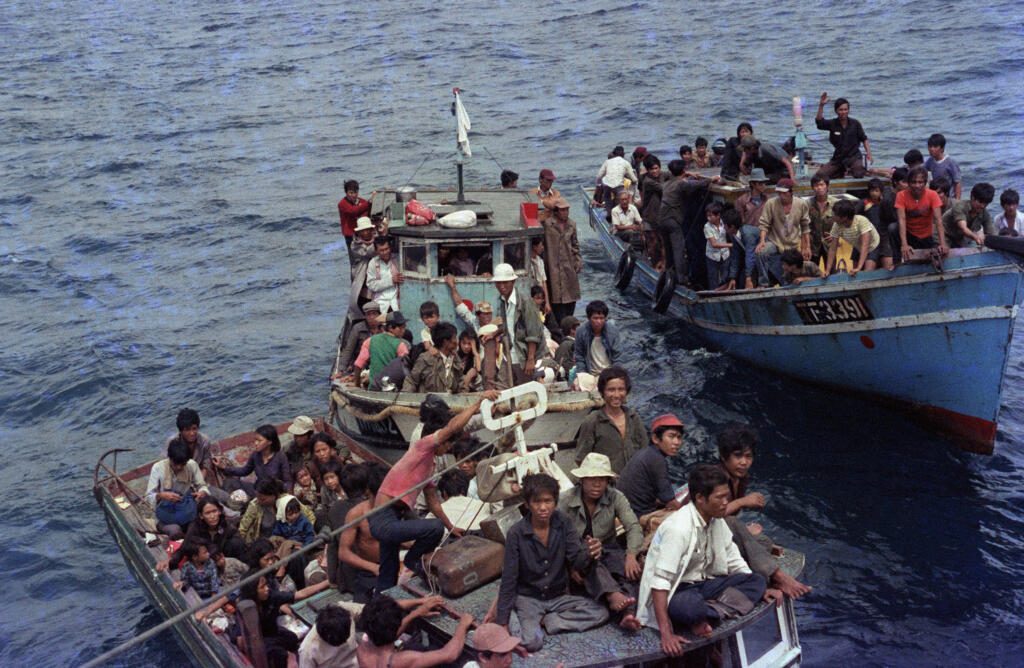
Doctors of the World was born at sea, after Vietnamese refugees risked everything to escape violence and persecution in the late 1970s. They climbed into overcrowded boats with no guarantee of safety, because survival demanded it.
In response, a group of doctors led by Bernard Kouchner, joined by academics and journalists, set sail on a medical ship named Île de Lumière—the “Isle of Light.” Their mission was simple yet profound: to provide urgent medical care and to bear witness to the intolerable.
From that first act of solidarity, our international humanitarian network grew. Today, the need is even greater as record numbers of people make dangerous journeys across deserts, jungles, and seas, often facing detention and marginalization when they cross borders. Our mission remains constant: to go where other organizations will not, to provide medical care rooted in dignity, to stay long after a crisis leaves the headlines, and to confront the forces that push people into danger and harm.

United States
In El Paso, Texas, we’re training medical residents and students to shape the future of trauma-informed, migrant-centered care at the U.S. Border.
Central and South America
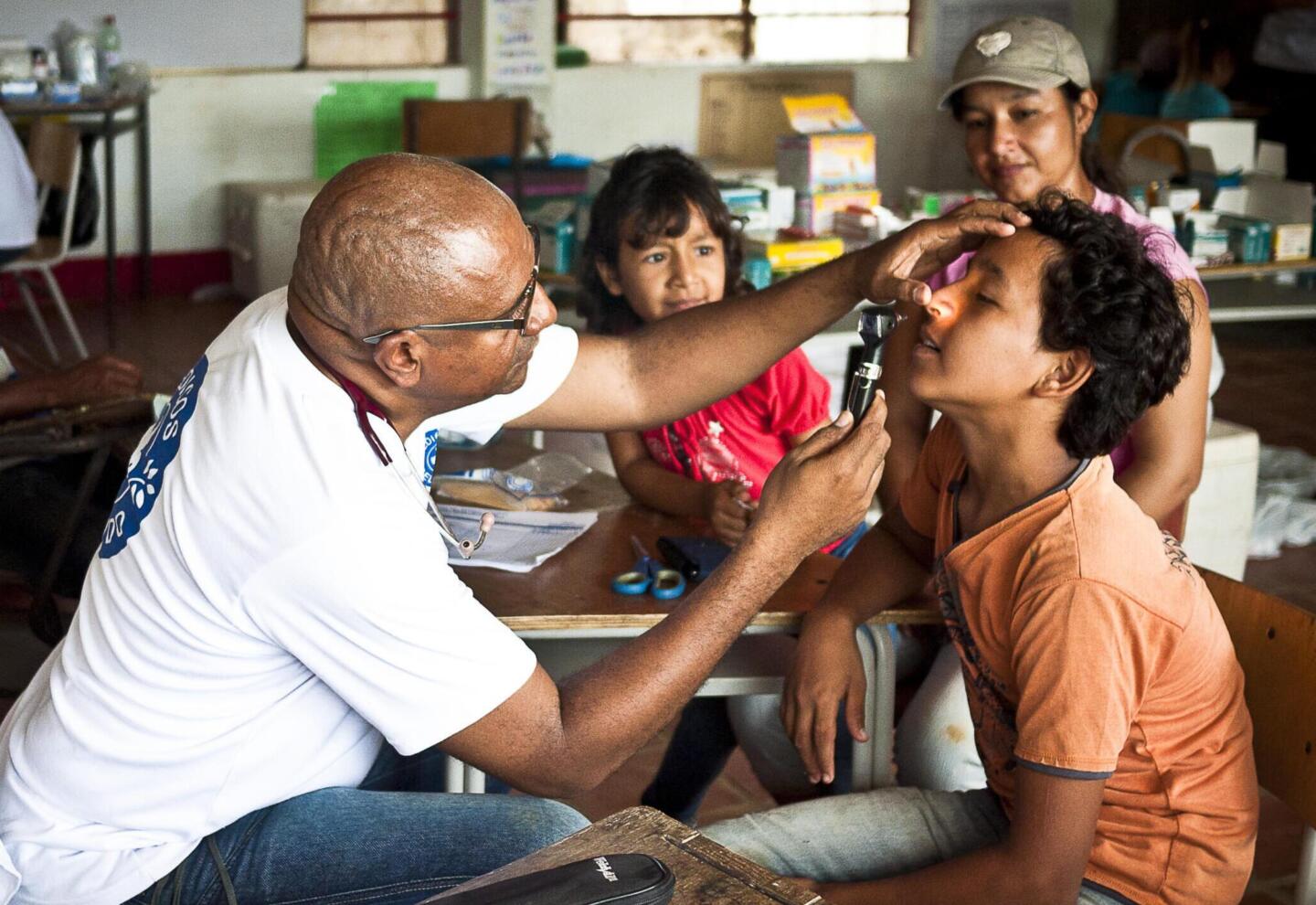
Doctors and nurses provide care to migrants in transit and to people whose lives have been upended by political unrest, poverty, and drug-trafficking violence in Colombia and Panama.
Middle East
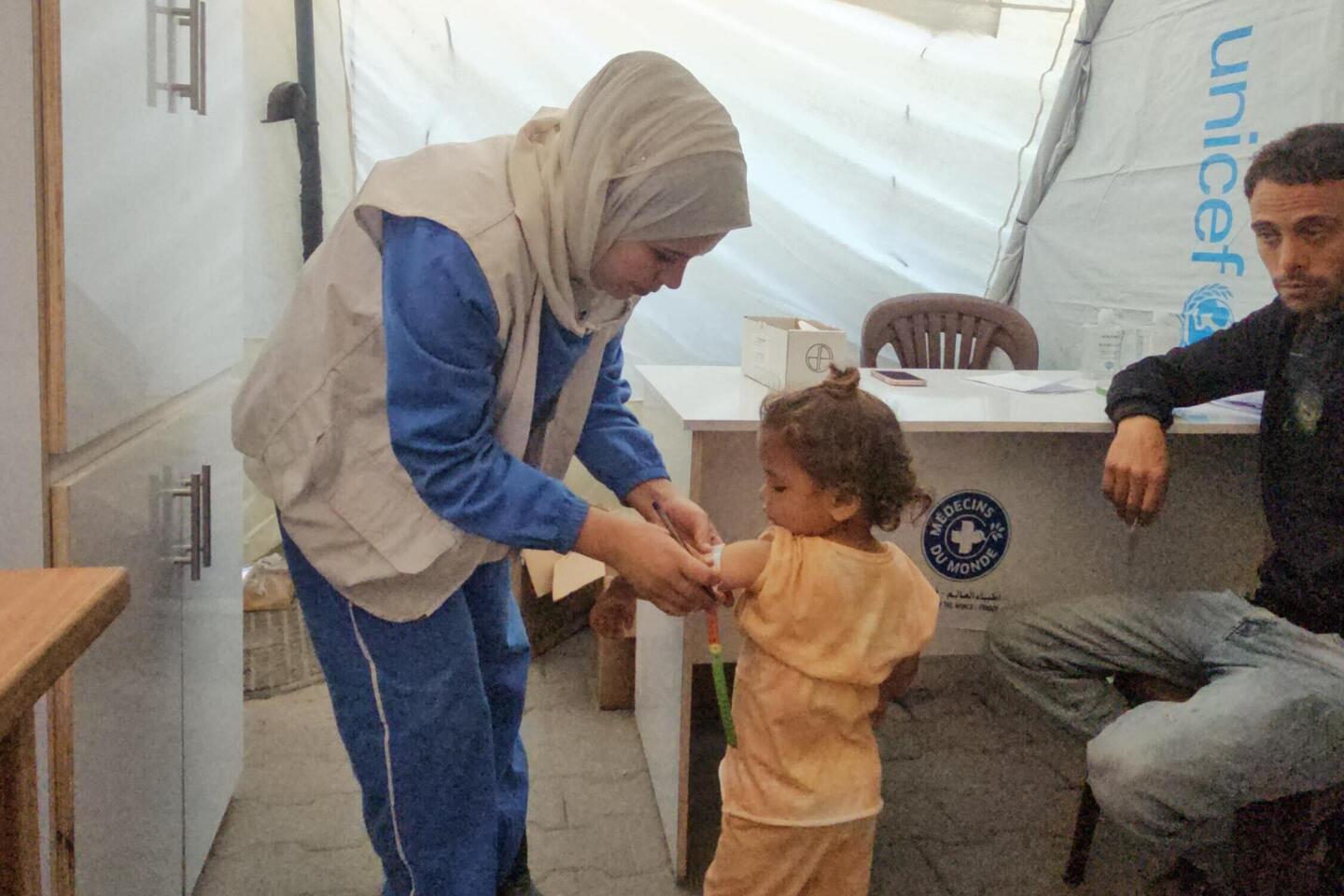
In Gaza, our teams treat people injured in attacks and monitor rising cases of malnutrition among children and breastfeeding mothers. Their work shows the direct connection between aid blockages and rising malnutrition, underscoring the urgent need for humanitarian access.
HOW WE LEAD AND DELIVER
Explore how our leadership, impact reports, and financial statements demonstrate our commitment to accountability and tangible impact.