
Health on the brink
Conflict, displacement, and climate-driven instability are converging to create some of the most complex humanitarian emergencies of our time.
In these environments, health systems fracture and access to care shrinks — but people’s daily health needs do not disappear. Pregnancies continue, chronic illnesses go untreated, and preventable conditions turn life-threatening, especially for women, children, and marginalized groups. Despite the scale of need, care in conflict and displacement settings remains underfunded and overlooked.
Doctors of the World works alongside local providers and communities to close this gap — pairing rights-based care with long-term capacity building so access endures beyond the crisis.
Responding in conflict zones: Gaza, Ukraine & beyond
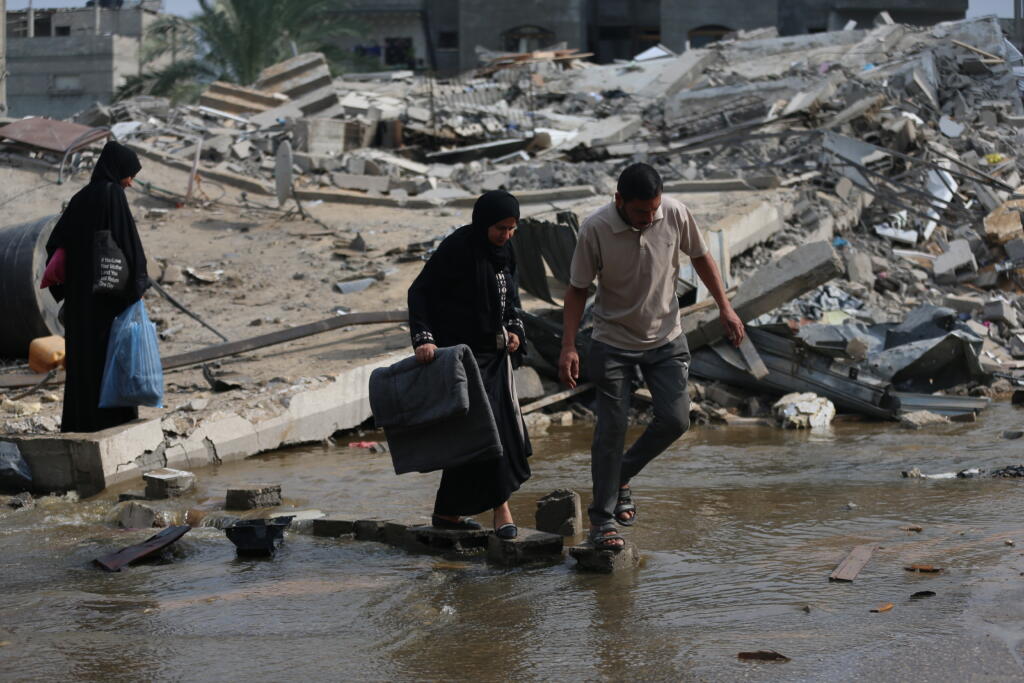
Doctors of the World USA delivers care where it’s needed most—amid war, displacement, and disaster. We operate in more than 20 conflict zones, providing essential health services, mental health support, and reproductive care—ensuring that dignity and access to care endures, even in the most challenging places to deliver care. But we don’t just treat patients—we stand in solidarity with them, capturing firsthand accounts and data to bear witness to their experiences.
 Gaza
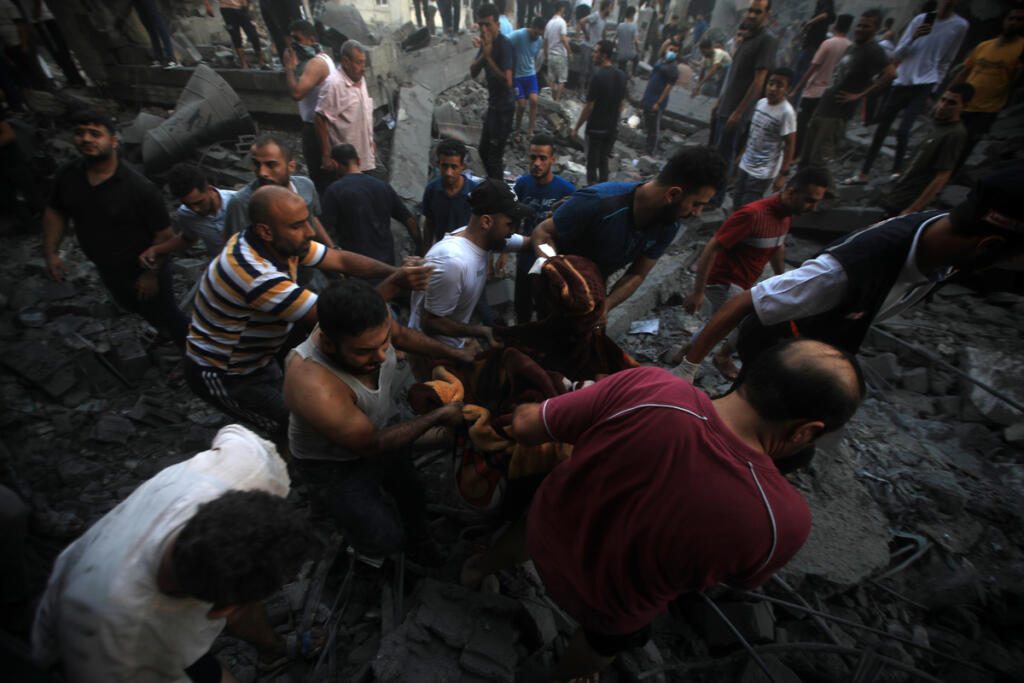
Gaza
Our teams support health centers operating under extreme pressure, providing emergency first aid, treating chronic and communicable diseases, and delivering sexual and reproductive healthcare and mental health services. As conditions remain dire, they are documenting a sharp rise in malnutrition, particularly among children. In 2024 alone, we provided nearly 200,000 consultations.
 Syria
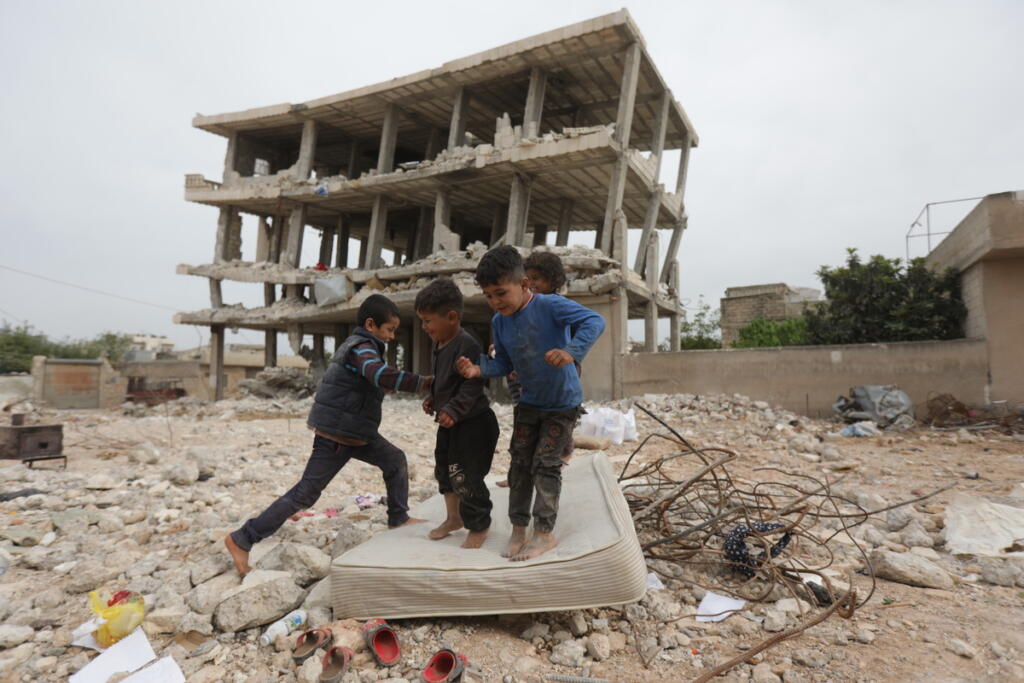
Syria
As Syria looks to rebuild after nearly 14 years of civil war, its humanitarian crisis remains staggering: over 7.2 million people are internally displaced, and more than 5 million live as refugees. Doctors of the World delivers essential medical care in Northwest Syria and in Turkey, with a strong focus on providing care to women, children, and families who continue to bear the brunt of the conflict.
 Ukraine
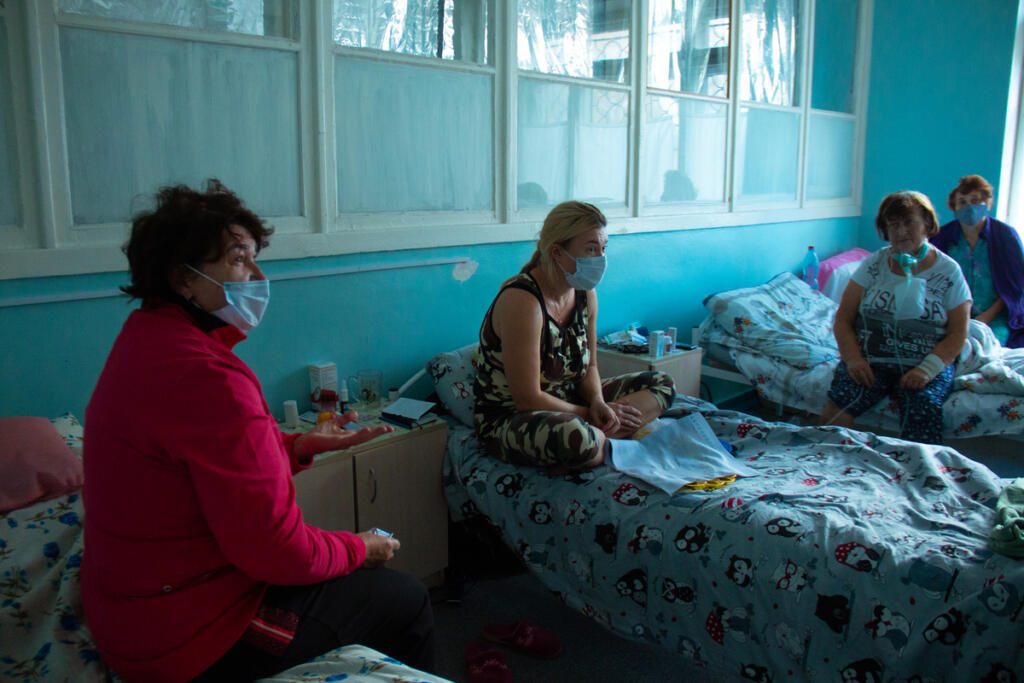
In 2024, our international network reached 144,000 people with medical consultations, supported 307 health facilities, and strengthened resilience in 217 shelters for internally displaced people.
Our Impact in 2024
Healthcare Under Attack
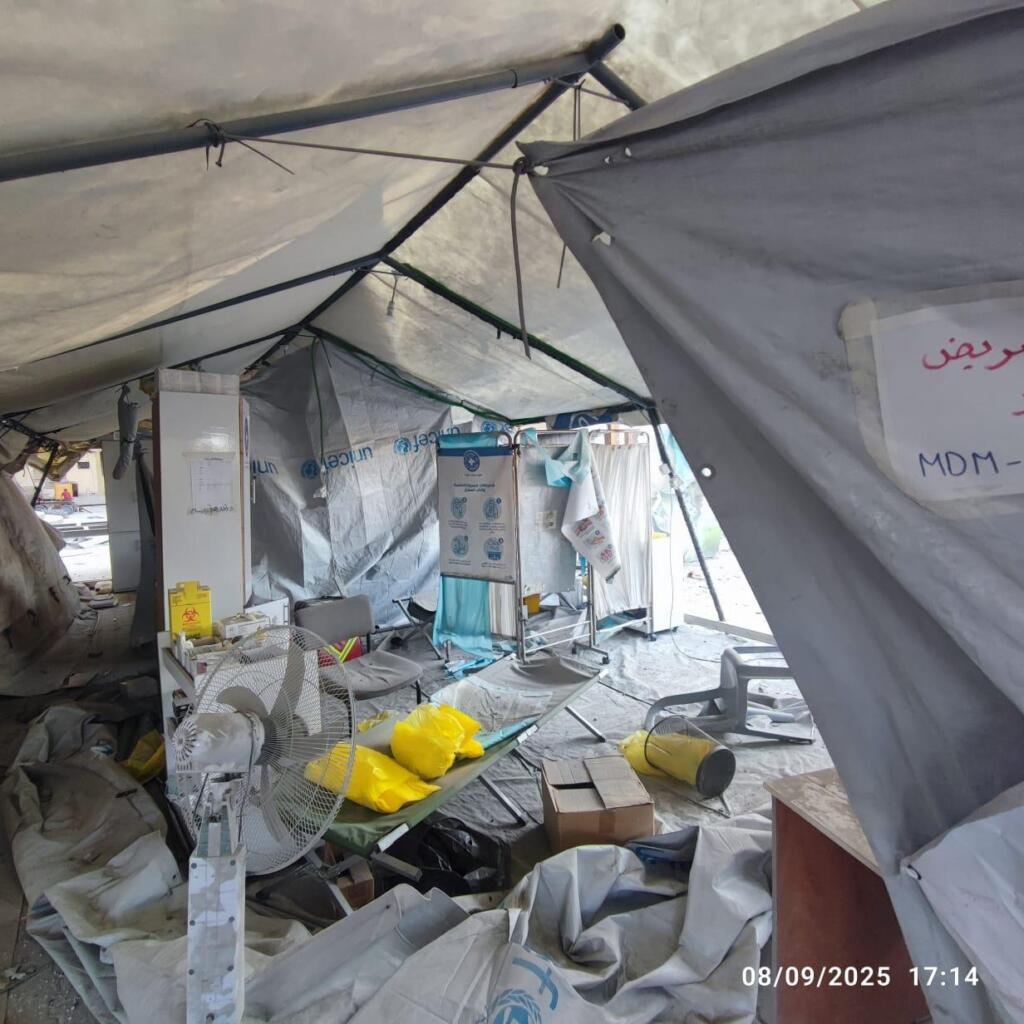
In conflict zones around the world, healthcare itself has become a target. In 2024, there were over 3,600 recorded attacks on medical workers and facilities—bombed hospitals, looted clinics, and detained health professionals. These violations of international humanitarian law not only endanger lives but also dismantle the systems that communities rely on to survive. Doctors of the World USA stands at the frontlines, defending the right to health. We document attacks, support the protection of medical infrastructure, and ensure that care continues—even under fire.
Underreported crises: Colombia, Haiti, and the Sahel
While global attention centers on high-profile conflicts, communities in Colombia, Democratic Republic of Congo, Haiti, and the Sahel endure relentless instability, violence, and climate-driven crises—largely out of the spotlight. Doctors of the World brings decades of experience delivering care in these fragile contexts, where health systems are failing, and protection is scarce.
 Colombia
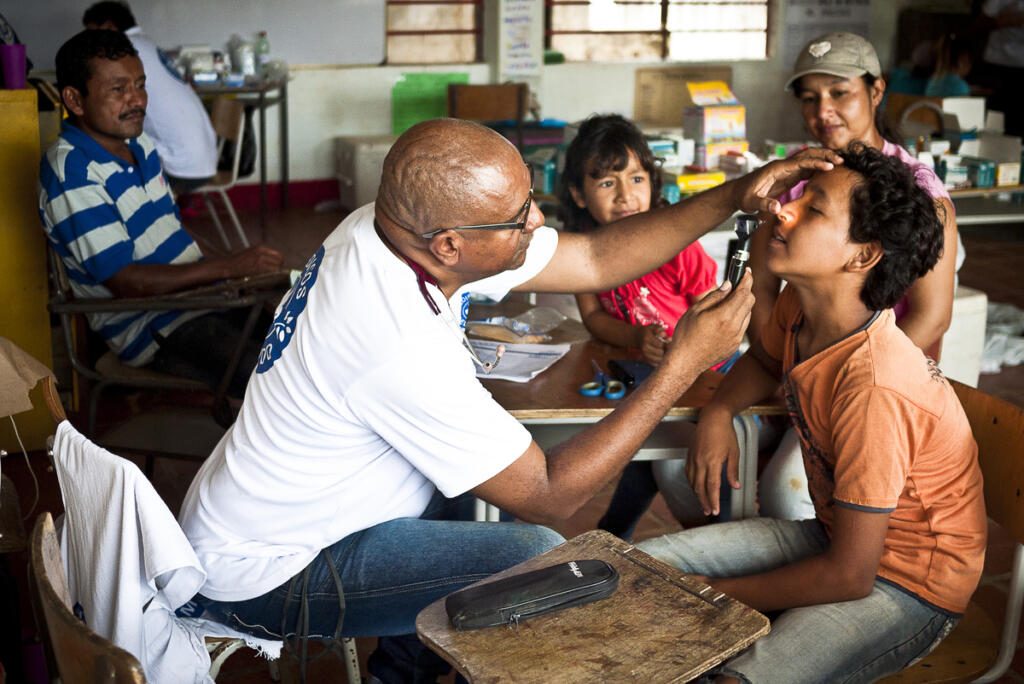
In Colombia’s Pacific region, Indigenous communities are being displaced by armed groups, with little access to healthcare or protection. Doctors of the World supports these populations with culturally sensitive care and advocacy for their rights in conflict-affected areas.
 Democratic Republic of Congo
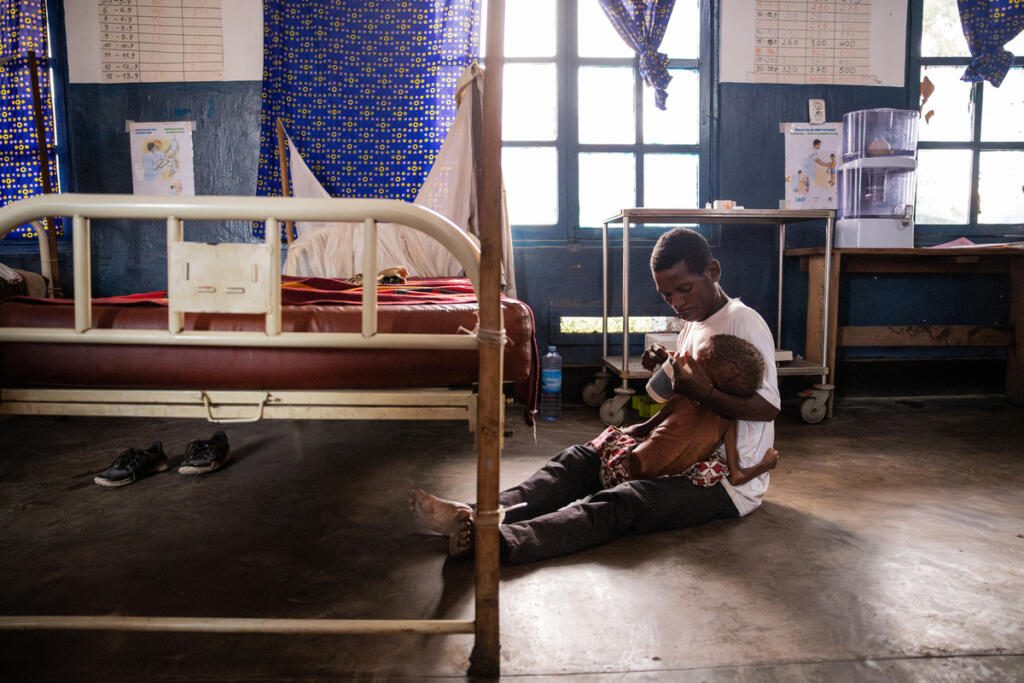
Decades of armed conflict fueled by competition over minerals and regional instability have displaced millions in the eastern region, creating one of the world’s most severe humanitarian crises. In South Kivu’s remote plateaus, Doctors of the World keeps 12 health centers and 16 nutrition units running 24/7, delivering free care for malnutrition, maternal emergencies, and trauma to more than 558,000 people in just one year.
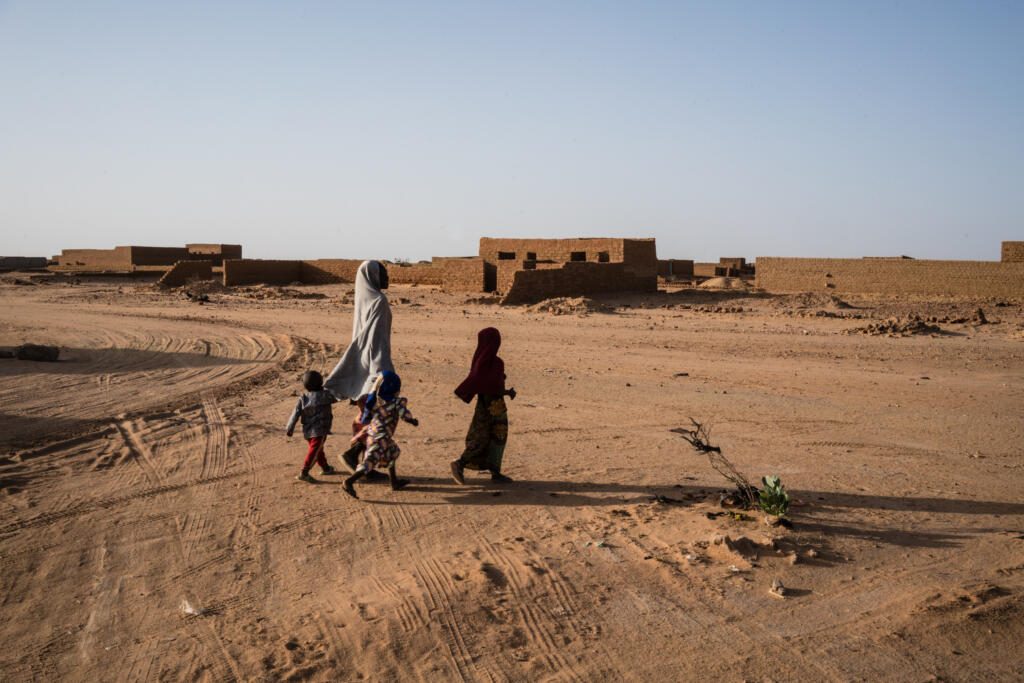 The Sahel
The semi-arid region in Africa between the Sahara Desert and the savannahs faces a deepening crisis fueled by conflict, climate shocks, and mass displacement. Gender-based violence is surging, and Doctors of the World responds with mobile clinics and trauma-informed services across Burkina Faso, Mali, and Niger.
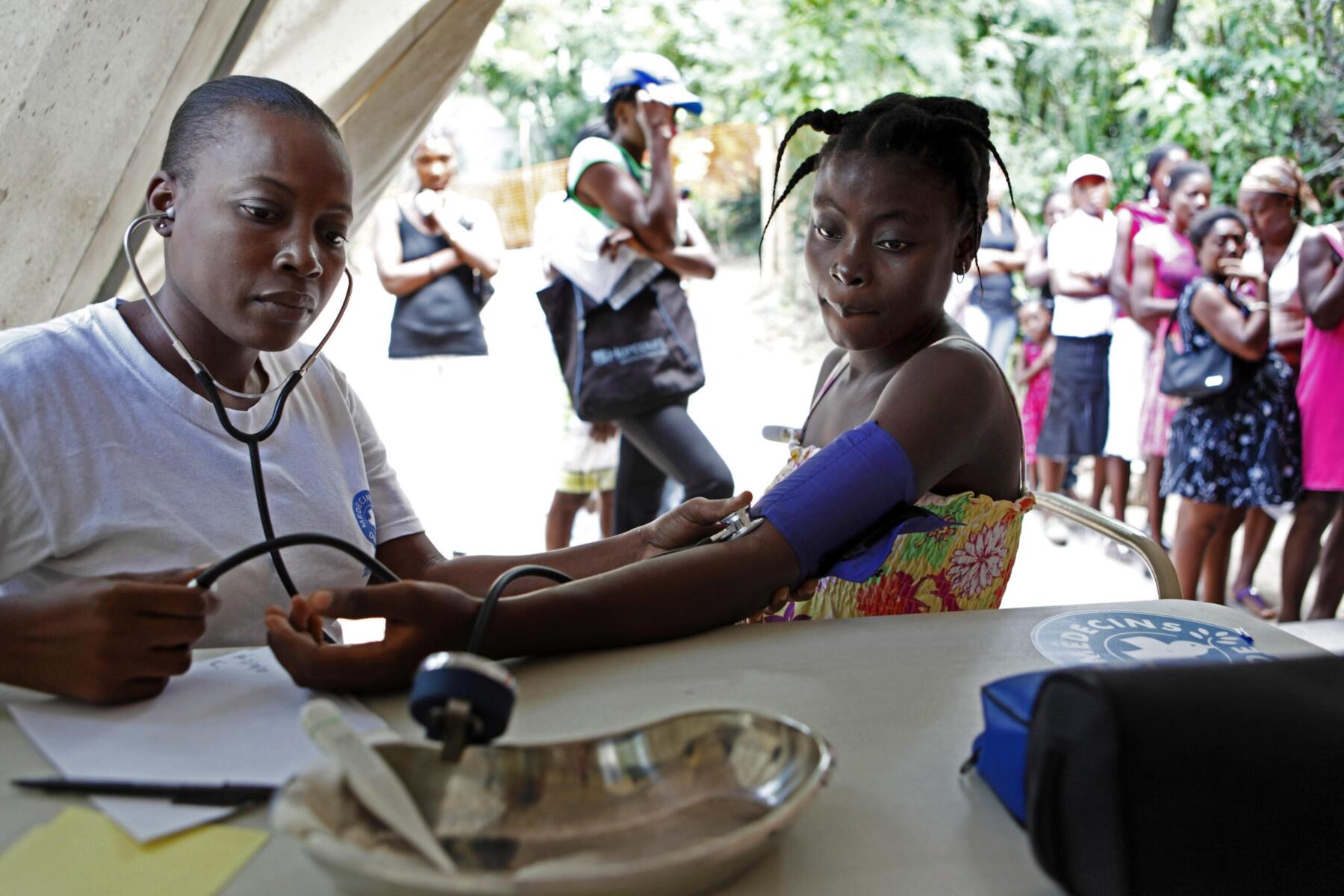 Haiti
Haiti
Gang violence, political collapse, and climate factors like heavy rainfall and rising temperatures have compounded public health emergencies, including deadly cholera outbreaks. Since 2015, Doctors of the World has provided essential care through mobile units and community partnerships, prioritizing survivors of gender-based violence and those cut off from formal systems.