
When access shrinks, rights erode
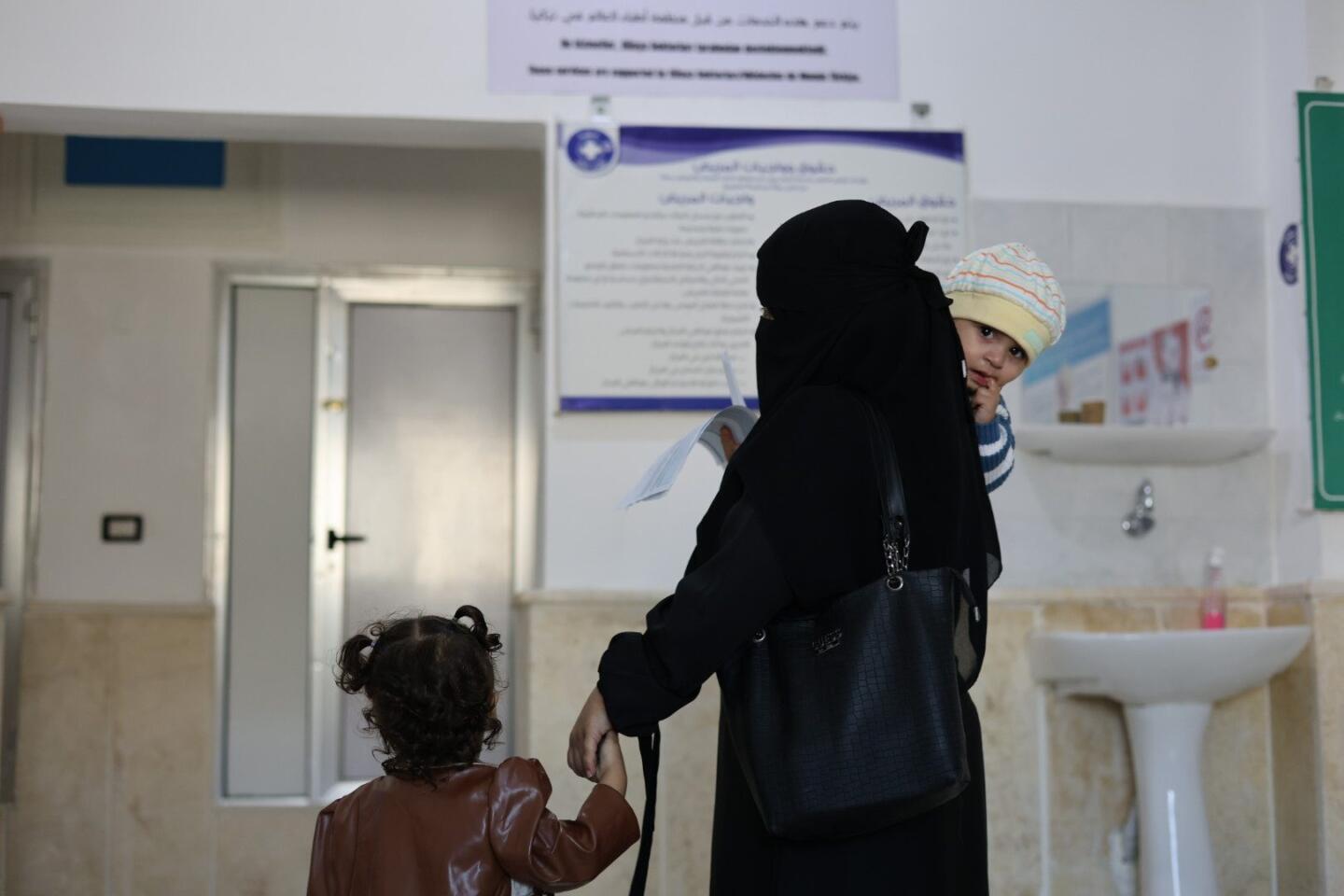
More than $1 billion in foreign aid cuts are eroding access to care for women and girls, from maternal health to gender-based violence prevention and support services. As funding for women’s health declines, LGBTQ+ people are also facing rising discrimination and barriers to essential care.
Defending rights, expanding access, saving lives
Since its founding, Doctors of the World has championed women’s rights and partnered with grassroots organizations to expand access to quality care.
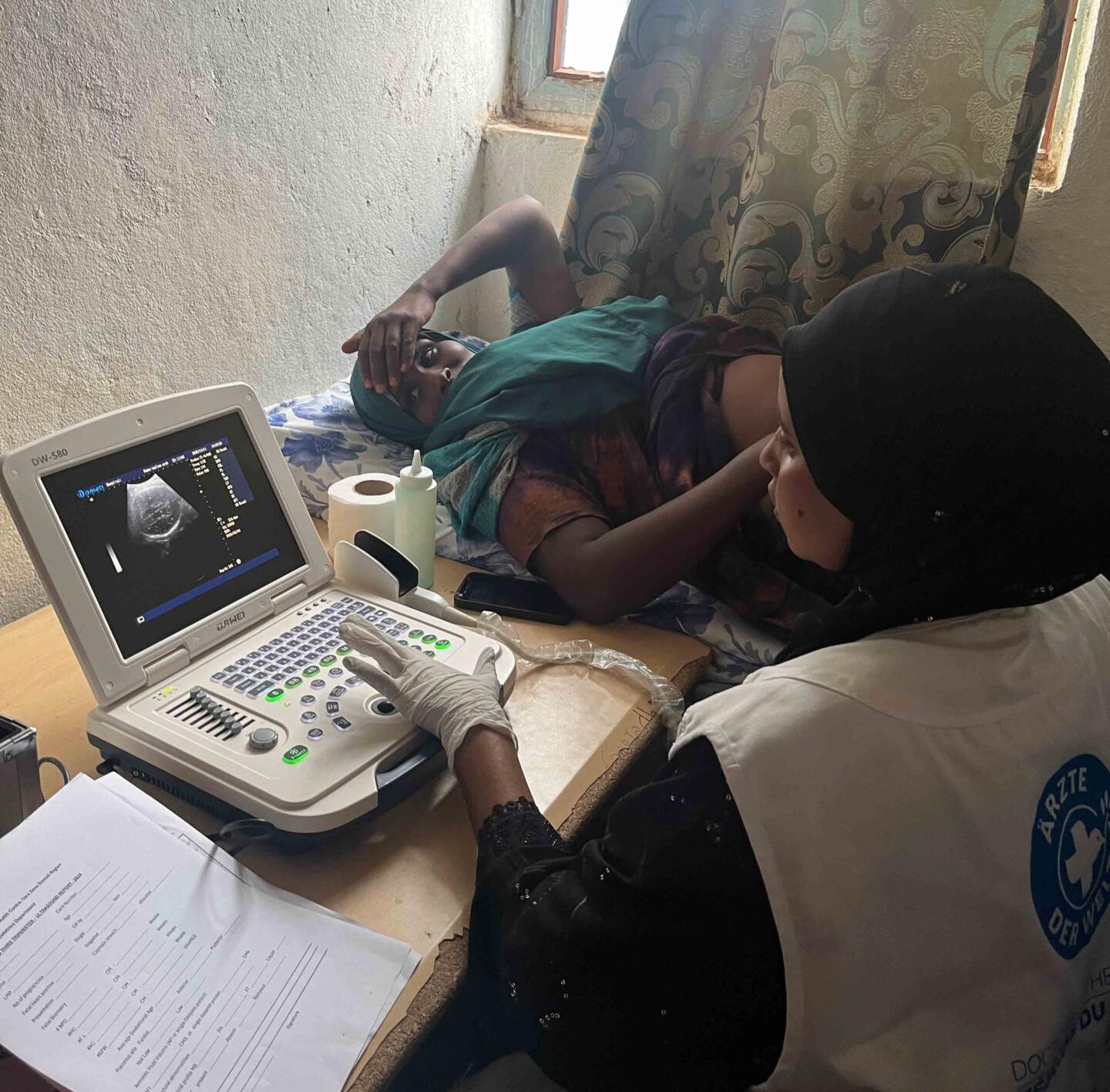
We support safe pregnancy and childbirth, provide adolescents with sexual education and reproductive health care, and work alongside communities to prevent and respond to gender-based violence—challenging harmful cultural norms and reducing stigma.
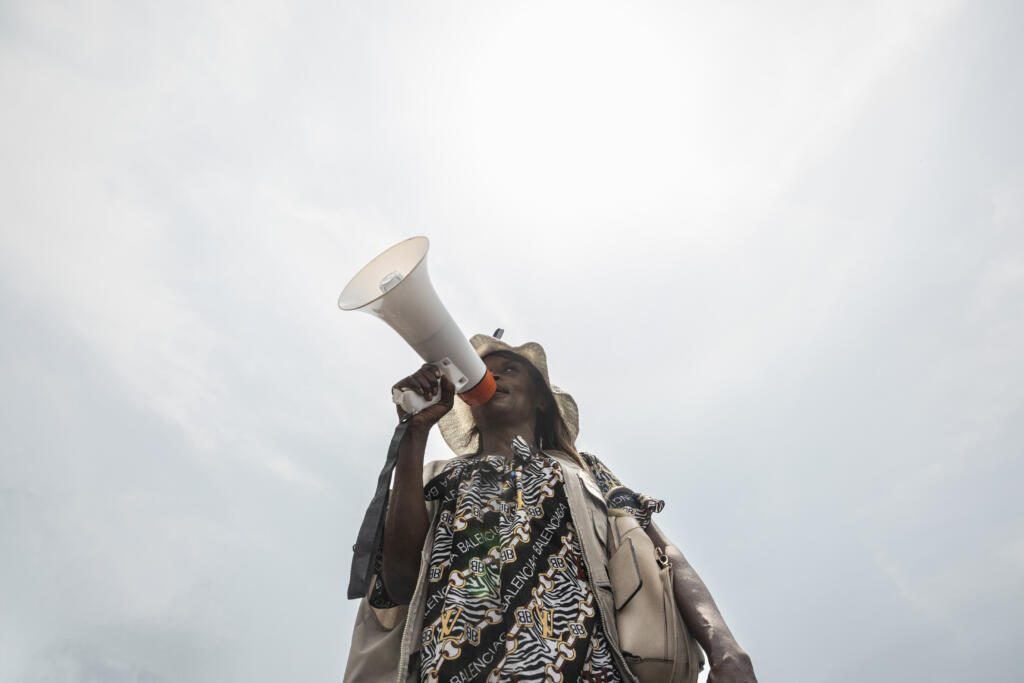
Through all of this, we remain unwavering in our advocacy: demanding inclusive healthcare systems, amplifying women’s voices, and defending the rights of women and LGBTQ+ communities everywhere.
Gaza: Caring for women in conflict
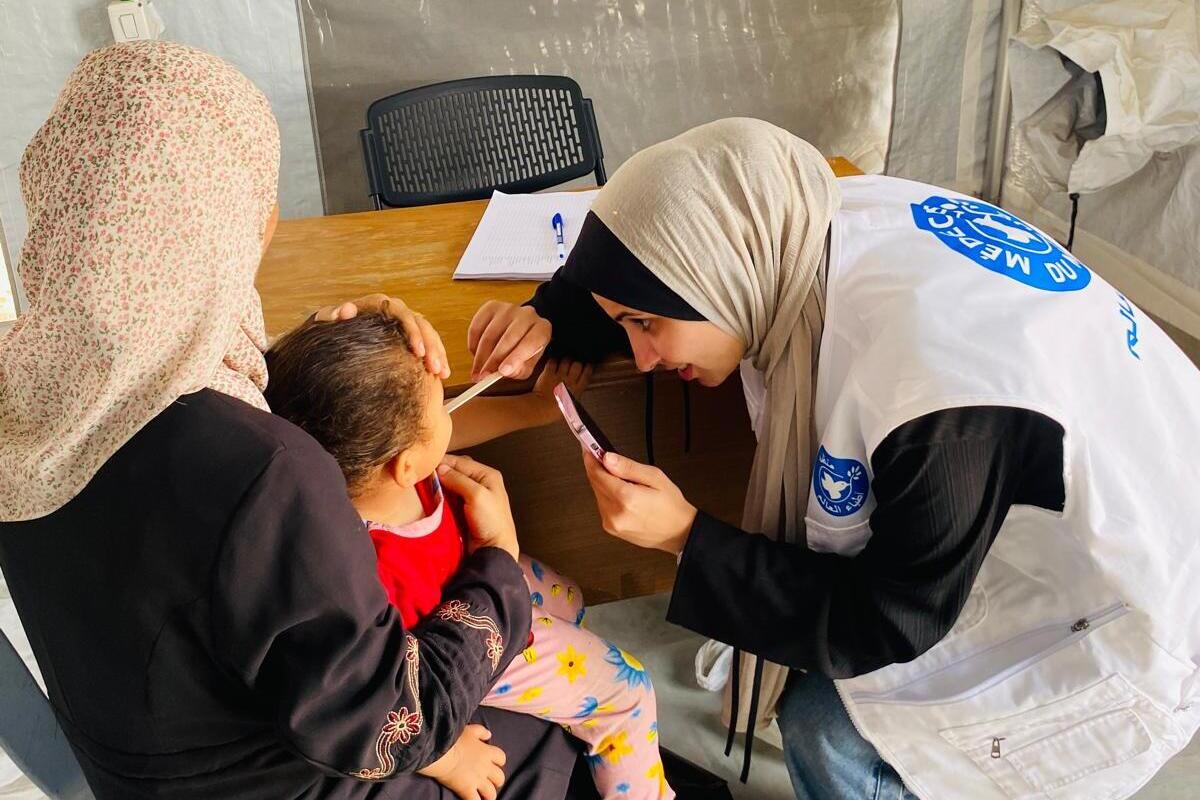
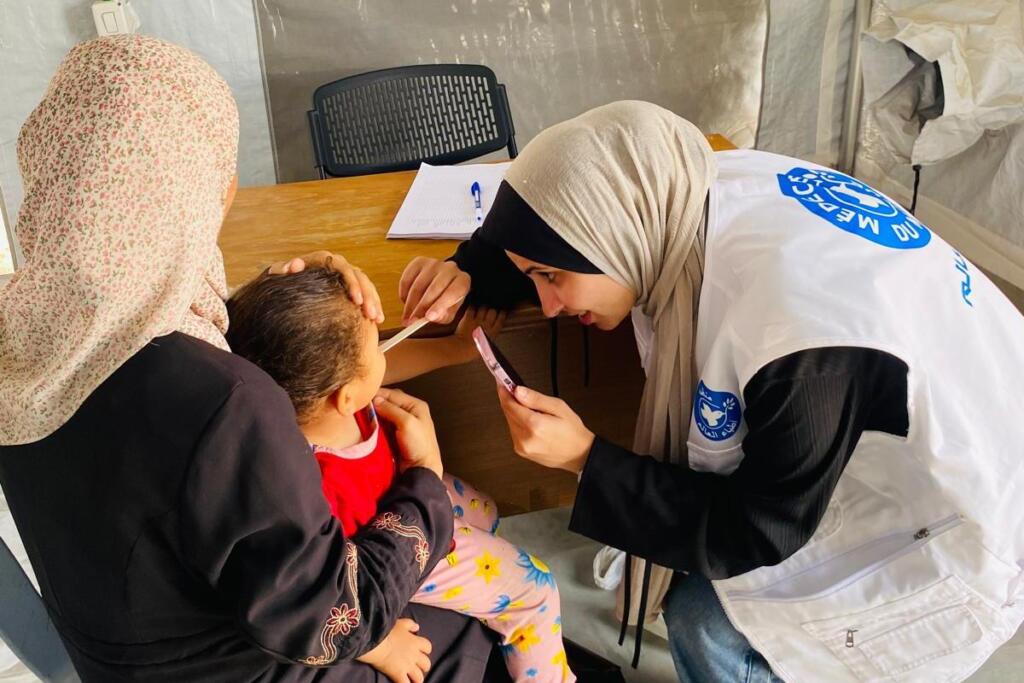
In conflicts worldwide, women lose access to essential sexual and reproductive healthcare. In Gaza, years of war and blockade have made pregnancy and childbirth increasingly dangerous. Clinics are damaged, supplies are scarce, and repeated displacement disrupts care.
For Mariam, a 27-year-old mother displaced multiple times, labor began without prenatal support, and she delivered in an overcrowded shelter, exhausted and malnourished. Days later, Doctors of the World reached her with postnatal care, treatment for infections, and nutritional support. Today, teams continue delivering prenatal care, family planning, and mental health support in fragile settings.
Mexico and Central America: Women migrants seek safety from violence
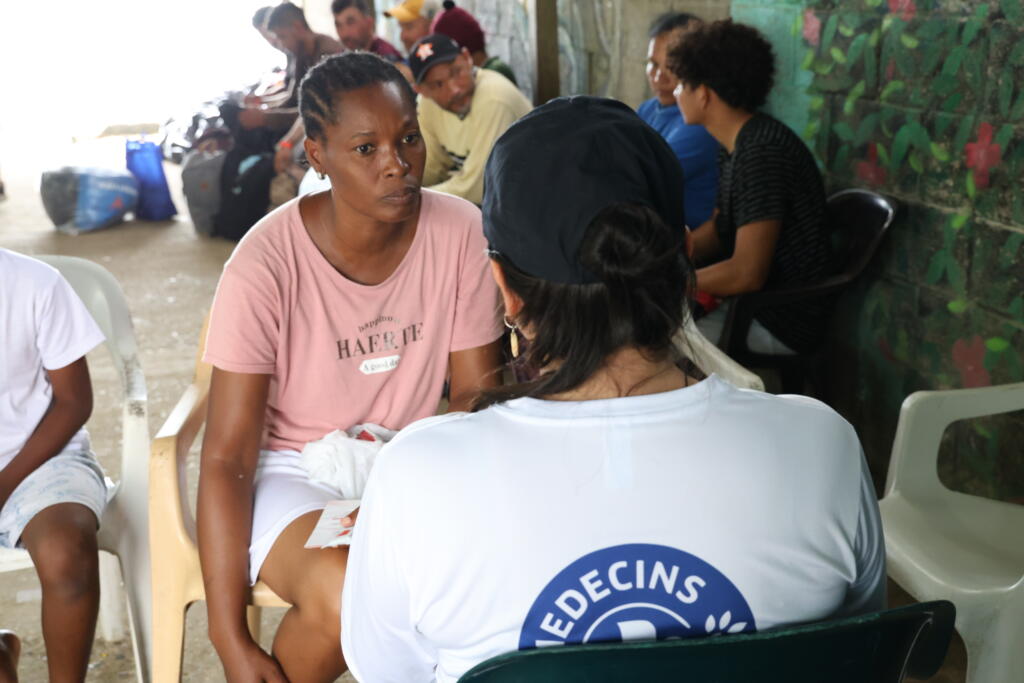
Tightened U.S. border policies have slowed migration across Mexico and Central America, leaving many women stranded in transit hubs or pushed back into fragile contexts. Prolonged uncertainty increases exposure to violence and makes access to sexual and reproductive healthcare more precarious.
Doctors of the World has documented serious gaps in sexual and reproductive health among women on the move in Mexico and Central America: 43% of the migrants they serve say they use no contraceptive method, and 95.5% of women of reproductive age report receiving no information on contraception during their journeys.
As migrant flows reverse and shift, our teams are adapting to changing needs, providing essential care, including contraception, menstrual health support, and treatment for trauma.
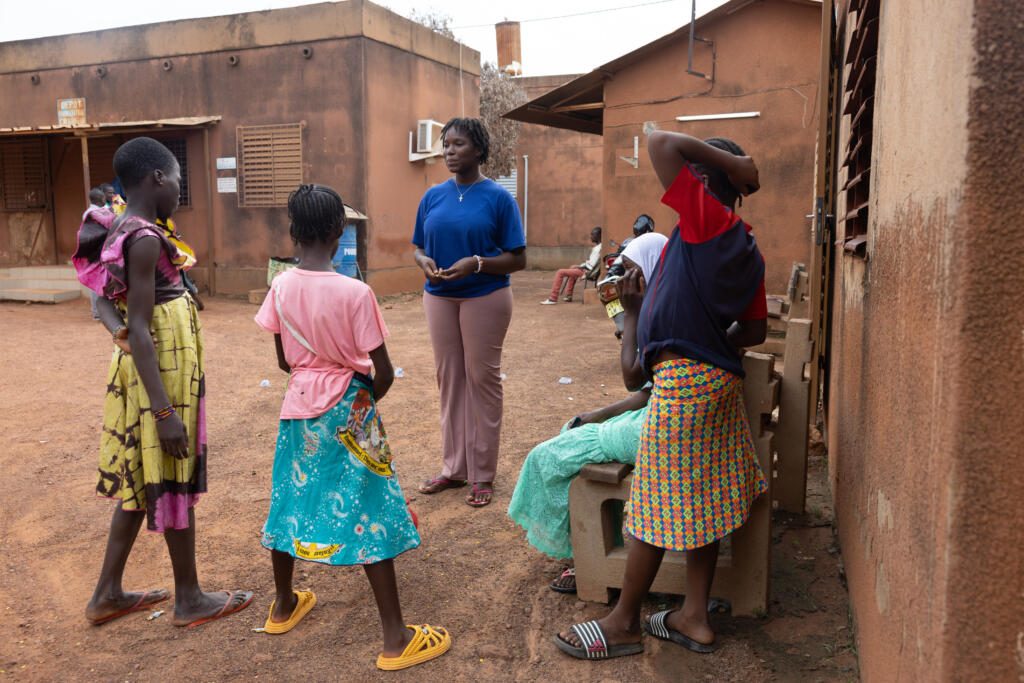
Burkina Faso: Young people taking control of their sexual health
In Burkina Faso, adolescent girls face rising risks of early pregnancy, gender-based violence, and disrupted access to care amid insecurity and displacement. As services strain and stigma persists, many young people are left without youth-friendly care.
Launched in 2022, Doctors of the World’s Project Respect partners with health authorities and civil society to expand sexual and reproductive health services for adolescents aged 10–24. The initiative strengthens youth-friendly clinics, improves access to contraception, and trains peer educators to share trusted information and promote prevention of gender-based violence. Evidence shows comprehensive sex education can cut teen pregnancy risk by up to half.