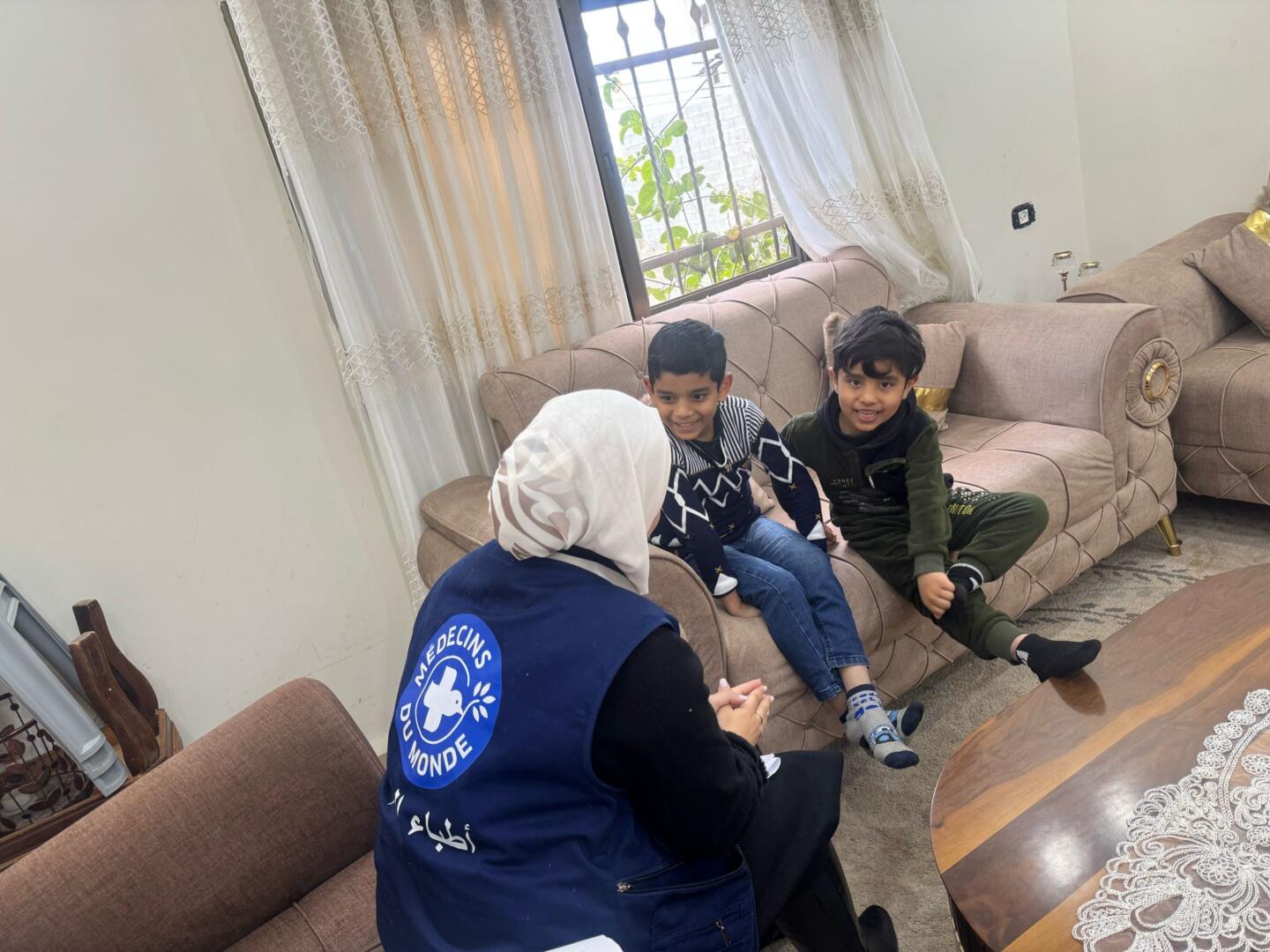

In Aqbat Jabr camp, night falls with a familiar dread. A mother tucks her children into bed, their small bags packed nearby—IDs, clothes, one faded family photo—knowing Israeli soldiers could burst through the door before dawn, as they did in Jenin and Tulkarm last year, displacing over 44,000 refugees. Gunfire echoes in the distance; her eight-year-old clings to her, whispering, “Where will we go? How will we die?” after hearing about destroyed camps on relatives’ phones.
“Living under occupation, fear has become a part of everyday life,” an MdM social worker notes. “Families face constant insecurity… Their deepest fear is for their children, that they might be harmed, arrested or assaulted. This fear shapes every aspect of their lives.” Yet beneath this constant anxiety lies a deeper terror. As this mother tells Doctors of the World (DotW), echoing countless others, “This is our most profound fear: losing not just our homes, but our history, identity and future.”
Her story reflects the lived reality of families across West Bank refugee camps. Doctors of the World’s report, The Psychological Harm of the Israeli Military Occupation on Palestinian Refugees in the West Bank, documents this crisis across eight camps. It shows how repeated Israeli military raids, home invasions and mass displacement—such as the uprooting of more than 44,000 refugees from Jenin, Tulkarm and Nur Shams in 2025—generate continuous trauma, hypervigilance and existential fear.
A Glimpse into Israeli Occupation in the West Bank
More than 900,000 Palestinian refugees live in 19 densely populated camps across the occupied West Bank. Originally built as temporary shelters after 1948, these camps were never permitted to expand and have become overcrowded concrete neighborhoods marked by poverty and deteriorating infrastructure. Movement is tightly controlled by checkpoints; water and electricity are often cut during raids; and access to healthcare or UNRWA services remains precarious.
Violence has reached levels unseen in decades. Since October 2023, Israeli forces have conducted over 11,000 raids across the West Bank. In 2025 alone, more than 90% of the populations of Jenin, Tulkarm and Nur Shams camps were forcibly displaced in the largest West Bank exodus since 1967. Families were scattered to surrounding villages with no assistance, no support networks, and no guarantee of safety as raids followed them.
Mental Health Under Siege
No Time to Heal
In West Bank refugee camps, violence does not pause long enough for recovery. Between January 2024 and March 2025, Doctors of the World provided Psychological First Aid to over 1,600 Palestinians across eight camps, analysing 263 cases involving direct exposure to violence. The findings were stark: 74% had experienced multiple violent incidents within just four months, trapping individuals in a constant state of fear and alertness.
Staff describe returning for follow-up sessions only to find patients retraumatised by new raids. A DotW mental health manager explains: “The challenge in Palestine is that the MHPSS intervention should come after the attack has ended, but here there is no end to the incidents. It’s just continuous attacks, repetition of the same violence.”
Psychological Symptoms and Learned Helplessness
This unrelenting cycle of violence leaves deep psychological scars. Psychologists documented chronic stress, hopelessness, psychosomatic complaints, and learned helplessness—a condition in which prolonged, uncontrollable trauma leads people to stop trying to change their circumstances. These symptoms appeared in nearly 70% of cases.
Depressed mood was reported in 60% of patients. Doctors of the World staff describe individuals becoming almost motionless when soldiers appeared at their doors—not from indifference, but from exhaustion and the belief that resistance is futile.
Children Growing Up in Fear
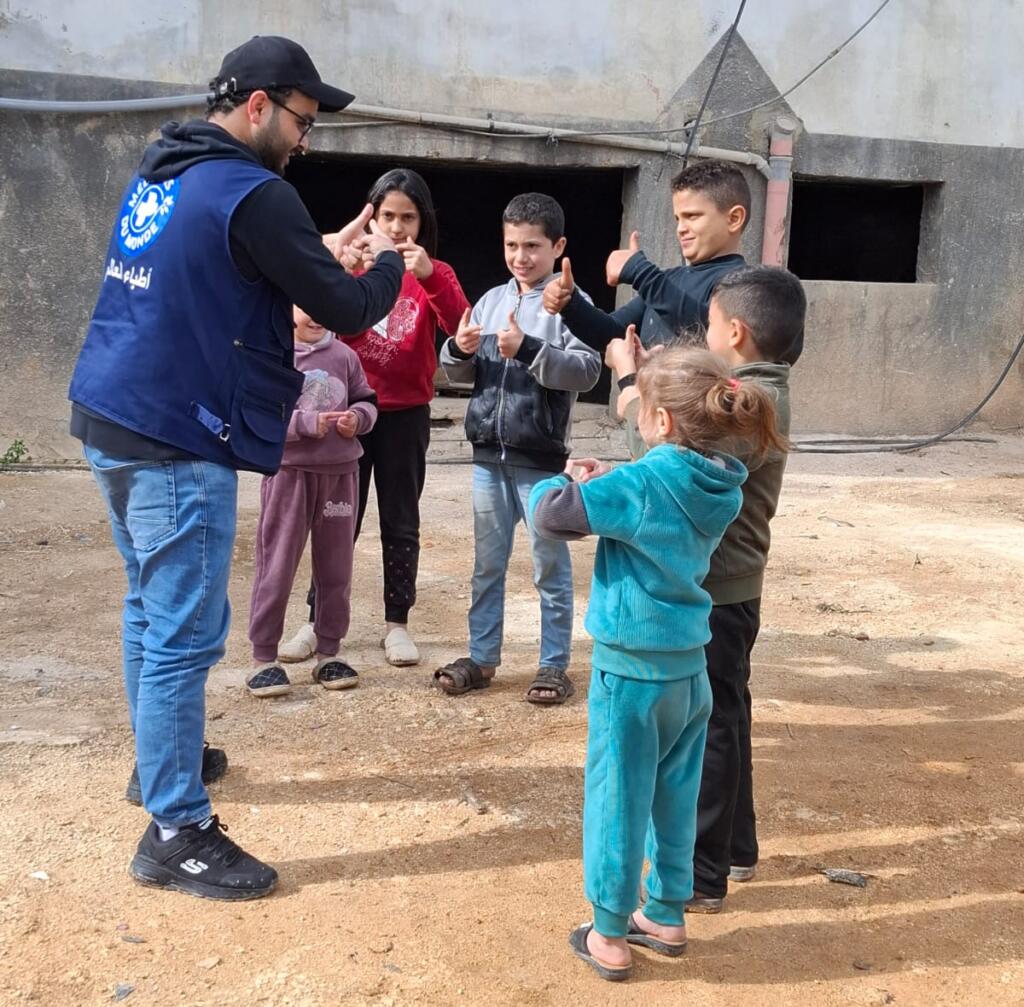
Children are especially affected by this environment. During raids, they are often trapped at home or in school, searched at checkpoints, or exposed to gunfire. In Jenin, some children were confined in schools until 10 p.m. while raids unfolded around the camp. The following day, parents were too afraid to send them back.
“In family therapy, we see many children who cling to their mothers and refuse to leave the house,” explains a Doctors of the World psychologist in Al-Fawwar camp.
At times, violence is deliberately directed at children. Social workers report soldiers destroying toys in front of them. Many children develop nightmares, bedwetting, sleep disturbances, and withdrawal. One five-year-old girl hid under her blankets for three days without eating or speaking after soldiers entered her room and fired inside—turning her home into another battlefield.
Gendered Violence and Assaults on Dignity
Women face particularly degrading treatment at checkpoints. MdM psychologists document repeated sexual harassment, including forcing men to remove their wives’ hijabs or mocking women’s bodies. Women subjected to these violations report panic attacks, stomach pain, sweating and overwhelming fear of leaving the camp. One 20-year-old woman now refuses to step outside entirely, gripped by panic attack symptoms just approaching the gate.
This accumulation of trauma—children deprived of safety, families fractured, women stripped of dignity—reveals the occupation’s profound psychological toll. Yet creating spaces for care remains nearly impossible when every place of refuge becomes a target.
Why Safe Spaces Are So Hard to Create
Camps as Permanently Unsafe Environments
Refugee camps are meant to offer protection and community. In the West Bank, they have instead become zones of chronic insecurity, marked by frequent raids, sniper fire, and systematic destruction of infrastructure.
“All refugee camps speak about water,” says a Doctors of the World social worker working in Jenin, Tulkarm, Nur Shams and Al-Fara’a. “When the army storms the camp, they destroy the water network. Since October 2023, they’ve told residents not to fix anything—because they will return and destroy it again.”
This cycle leaves camps without basic necessities and undermines the foundation of psychological first aid: the ability to feel safe.
No Safe Space
Homes, schools and streets are all targeted. Soldiers invade houses, destroy belongings and occupy bedrooms. One social worker recounts: “They left bodies lying in the street for days, preventing ambulances or neighbours from approaching. Snipers aimed their lasers at anyone who tried.”
During raids, schools are sealed shut. Classrooms become places of confinement rather than learning. Children are fearful to return, and parents are forced to choose between education and safety.
Attacks on Community Trust and Cohesion
Israeli forces also fracture social bonds. At checkpoints, entire camps are collectively punished or rewarded based on compliance. Selective passage for some residents breeds suspicion and accusations of collaboration.
Doctors of the World psychologists warn that this erosion of trust destroys one of the strongest buffers against trauma—community solidarity—leaving people isolated and increasingly vulnerable to depression, anxiety and grief.
How Doctors of the World Responds
Despite these conditions, Doctors of the World continues to provide emergency mental health support. For over 30 years, we have supported Palestinian communities under occupation, including refugees, detainees’ families, and survivors of home demolitions and settler violence.
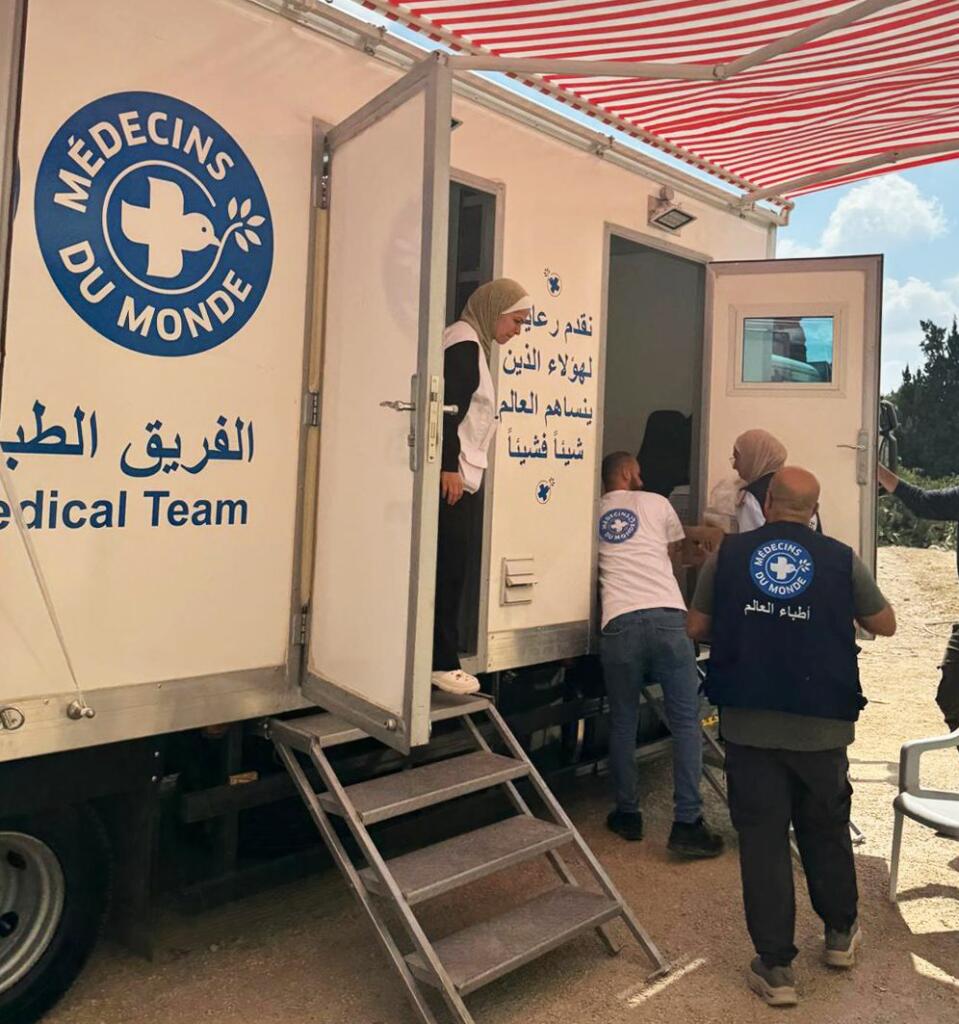
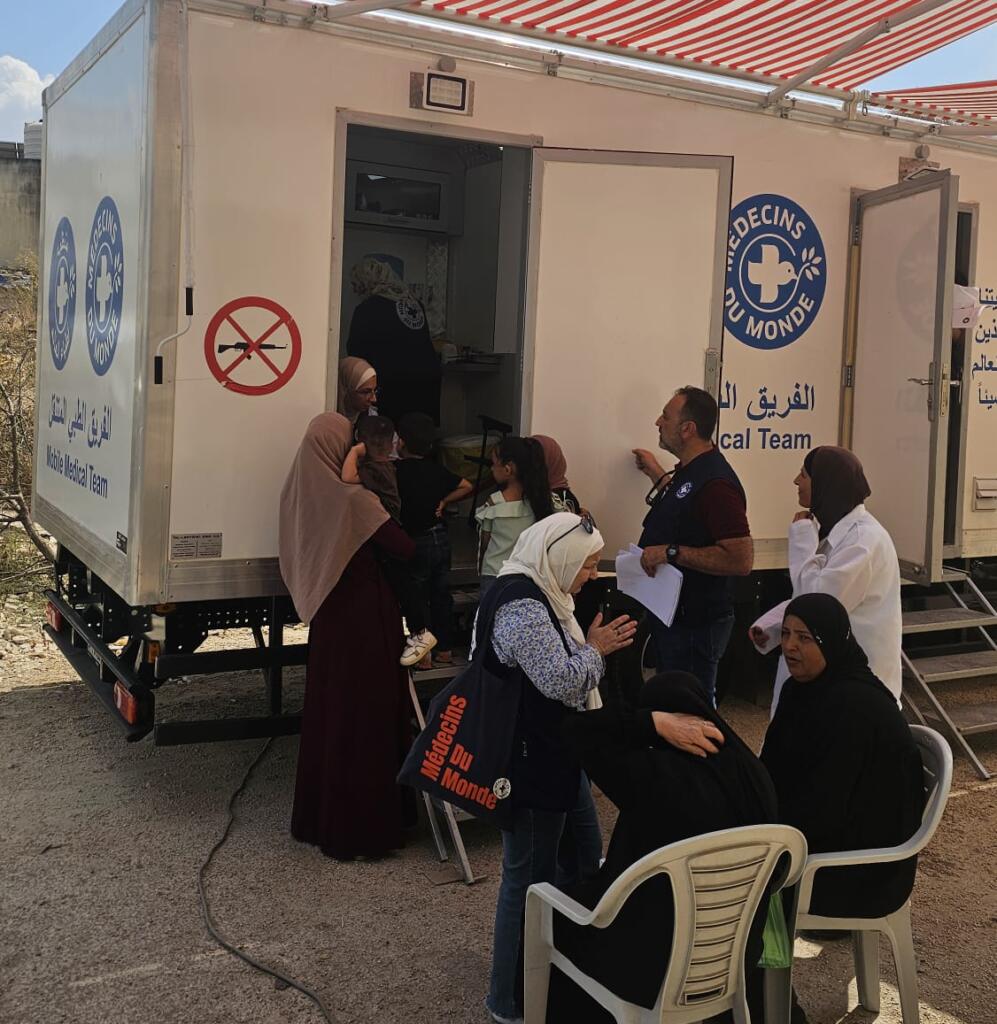
Through mobile clinics, UNRWA health centres and community partners, we provide individual, family and group counselling, Problem Management Plus sessions, and referrals to specialised care, providing 1,600 consultations in the span of one year.
Creating “safe spaces” requires constant adaptation—quiet rooms in clinics, corners of community centres, or temporary spaces in host villages. These spaces allow children to express fear through play and caregivers to speak openly.
At the same time, our staff confront their own fear and trauma, navigating checkpoints and raids while delivering care. Staff face constant threats—evacuations, uncertainty and exposure to violence—while supporting families devastated by repeated loss. Providing mental health support is profoundly challenging when healthcare workers themselves are not safe.
Effective mental health care depends on continuity and trust. Yet in Al-Fawwar alone, at least five therapy sessions were interrupted between December 2024 and April 2025 due to sudden invasions. Checkpoints frequently block referrals to specialised facilities, leaving patients without long-term support.
The international community must act: fund mental health services, protect humanitarian access and UNRWA, and enforce the ICJ’s 2024 opinion to end occupation practices that deliberately inflict psychological harm. Psychological healing in the West Bank will remain out of reach as long as the violence continues; only when it stops can the deep, systemic trauma inflicted on Palestinians truly begin to be treated.