

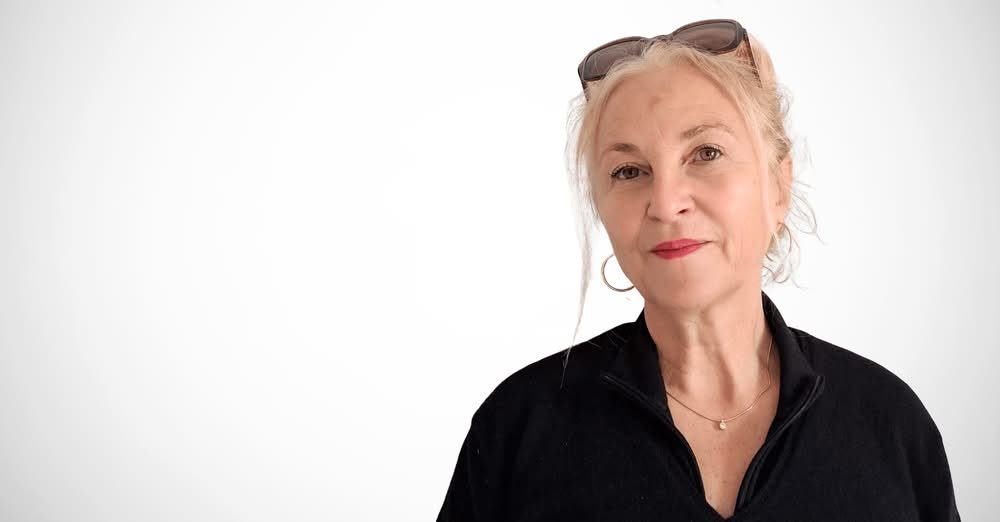
Since the Russian invasion four years ago, the conflict in Ukraine has weakened the health system, while 12.7 million people in the country require humanitarian assistance. Hospitals, health centers, and energy facilities are subjected to repeated attacks in violation of international humanitarian law, worsening living conditions. Sandrine Chopin, General Coordinator for Doctors of the World in Mykolaev, testifies to the courage of the teams despite the anxiety.
What difficulties are you facing?
Already critical, the situation has worsened this year with a wave of massive attacks targeting power plants and transmission lines, cutting off electricity and heating to the population during periods of extreme cold. These outages also affect health centers, where it is sometimes even colder than in people’s homes, deterring some patients from seeking treatment, not to mention the danger on some roads. Indeed, areas near the front lines, such as Kherson, are subjected to constant drone attacks. All these obstacles keep the most vulnerable away from healthcare, particularly isolated or elderly people, leading to delays in diagnosis and a deterioration of their health.
What are your responsibilities?
We work with local partners who travel directly to the homes of isolated individuals or those with reduced mobility to provide home care, deliver medication, or renew prescriptions. To limit their travel to at-risk areas and enable them to consult specialists, we have also launched telemedicine initiatives, with over 2,000 remote consultations conducted in 2025. We support Ukrainian health centers by providing medication, medical equipment, and even supplemental heating during this period of extreme cold. Present in Kherson and Mykolaev, we will expand our operations by opening a new base in the Sumy region.
What is the state of mind of the people you met and of the team?
Everyone has lost someone or has a family member on the front lines. Daily life is punctuated by air raid sirens, which contributes to stress and anxiety. Faced with trauma, we are trying to destigmatize mental health: after four years of war, it’s normal not to be well. We offer awareness sessions and psychological consultations, both in health centers and online. Despite the pressure, the team remains united and as committed as ever. Their resilience, and that of our Ukrainian colleagues, is impressive. Humor, solidarity, and seeing the tangible results of our actions are essential motivators for persevering.