
Across the United States, reports point to a growing reality: immigration enforcement is increasingly shaping when, how, and whether people seek medical care. In detention centers, patients with urgent conditions wait for appointments that never come, medications that don’t arrive, and diagnoses delayed until crises unfold. Inside hospitals, the presence of immigration agents can turn clinical spaces—meant to protect privacy and promote healing—into places of fear, where families hesitate to ask questions and clinicians change how they communicate.
Beyond these walls, that fear ripples outward. Pregnant women skip prenatal visits. Parents cancel their children’s health insurance. Community clinics see longtime patients vanish until their conditions have worsened. For many immigrants, the calculation has changed: the risk of being visible now outweighs the need to stay healthy.
Across settings, a consistent picture emerges: fear keeps people from receiving care, and once in custody, medical neglect and unsafe conditions place them at even greater risk.
Fear becomes a barrier to care
Across the United States, frequent ICE raids have sent a chilling message to immigrant communities: even familiar places are no longer safe. Hospitals and healthcare facilities—once considered off‑limits to enforcement—have become active sites of immigration control. A survey by Physicians for Human Rights (PHR) found that 7% of clinicians had witnessed ICE or Customs and Border Protection (CBP) agents within medical settings, marking a significant shift from norms that barred such actions in hospitals, schools, and places of worship. Many have also reported ICE vehicles stationed outside clinics and emergency rooms, reinforcing the perception that seeking care comes with a risk.
The effects are immediate and severe: families are canceling appointments, refusing referrals, and withdrawing from care altogether. Health professionals confirm the shift: 84% have observed a decline in patient visits since the enforcement crackdown began in 2025.
Immigrant adults across immigration statuses are reporting negative effects on their health and increasing barriers to accessing care for themselves and their children, according to a 2025 survey by the Kaiser Family Foundation and the New York Times. These challenges now affect people who are lawfully present and even naturalized citizens, contributing to declines in insurance participation, reduced clinic visits, and worsening health outcomes.
Key findings:
- 78% of likely undocumented adults fear their medical information could be shared with immigration authorities.
- More than 50% of immigrant adults share this concern overall.
- Immigrants delaying or skipping medical care rose from 22% (2023) to 29% (2025).
- About 1 in 5 immigrant parents (18%) report their child’s well‑being has worsened, including sleep or eating problems, declines in school performance or attendance, or new behavior issues.
In the shadow of enforcement, child health risks emerge
One of the most alarming indicators is emerging inside clinics and hospitals across the United States, where providers report a rise in children arriving alone to emergency rooms because their parents fear detention or deportation. Without a parent or guardian present, clinicians cannot obtain consent, gather medical histories, or authorize essential tests and treatments, leading to delays in diagnosis and care.
In many immigrant households, the ongoing threat has created an atmosphere of constant anxiety. Children overhear conversations at home, absorb what classmates and neighbors say, and see news reports about families being detained or separated.
As a result, children as young as six are now presenting with anxiety linked to fears of family separation, detention, or deportation. This worry extends beyond the home, as many families are afraid to be seen outdoors. For children, this means less time playing outside, reduced physical activity, and increasing isolation—patterns linked to weight gain, developmental issues, and a greater sense of insecurity.
Dangerous conditions in detention facilities
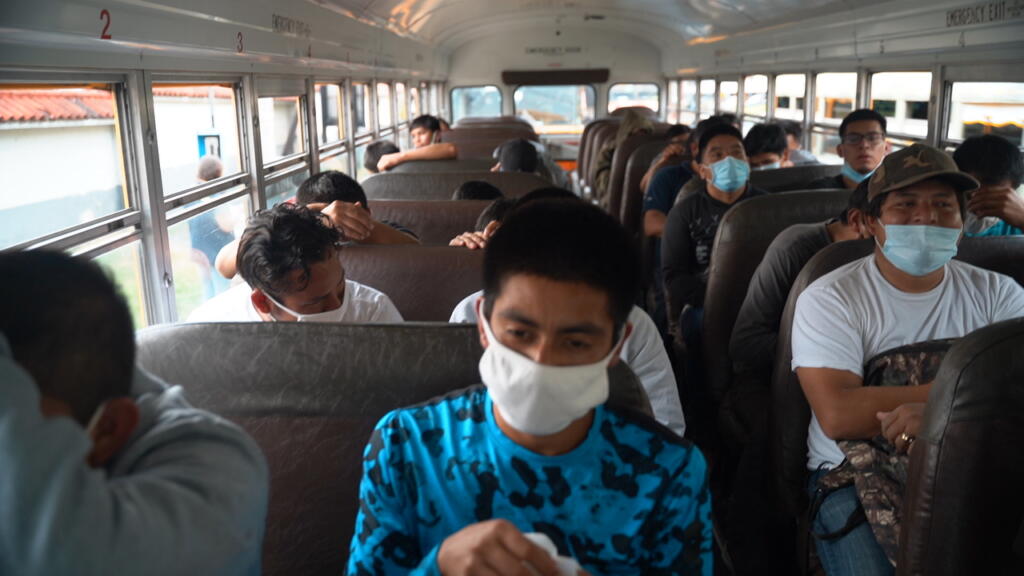
The United States now operates the largest immigration detention system in the world, holding more than 73,000 people on any given day. Facilities are stretched far beyond capacity, leaving children and adults in overcrowded rooms where sleep is disrupted and basic needs go unmet.
Reports of measles outbreaks in family and child detention centers have raised particular alarm. In cramped, poorly ventilated environments where sanitation is limited and vaccination rates are falling, the risk of a deadly outbreak grows exponentially. These risks escalate when medical care is delayed or unavailable: a 2025 U.S. Senate investigation documented more than 80 credible cases of medical neglect, including people left without insulin, others denied urgent care, and one person who suffered a heart attack after days of unanswered chest pain.
Pregnant women face some of the most acute risks. Although ICE guidelines say they should be detained only in exceptional circumstances, a Senate Judiciary Committee staff visit to the South Louisiana ICE Processing Center found 14 pregnant women in custody. Many reported little or no prenatal care, and one woman miscarried while detained and was allegedly deported while still bleeding. These findings, combined with 32 deaths in ICE custody in 2025—triple the previous year, paint a stark picture of the health hazards people face inside detention.
High tensions, frequent altercations, and violence at the hands of detention officers further deepen fear and re‑traumatization. The ACLU has documented numerous cases of physical abuse by guards—some resulting in serious injury or death—as well as reports of sexual abuse within facilities.
The strain on mental health is also severe. People in detention describe constant anxiety, disrupted sleep, and fear of separation, all intensified by unsafe facility conditions. The use of solitary confinement—over 10,500 placements between April 2024 and May 2025, according to Physicians for Human Rights—adds a layer of trauma known to heighten the risk of PTSD, self‑harm, and long‑term psychological harm. Decades of research show that isolation dramatically heightens the risk of PTSD, self‑harm, suicide, hallucinations, and lasting neurological damage.
Doctors of the World USA response: Working on the ground to fill care gaps
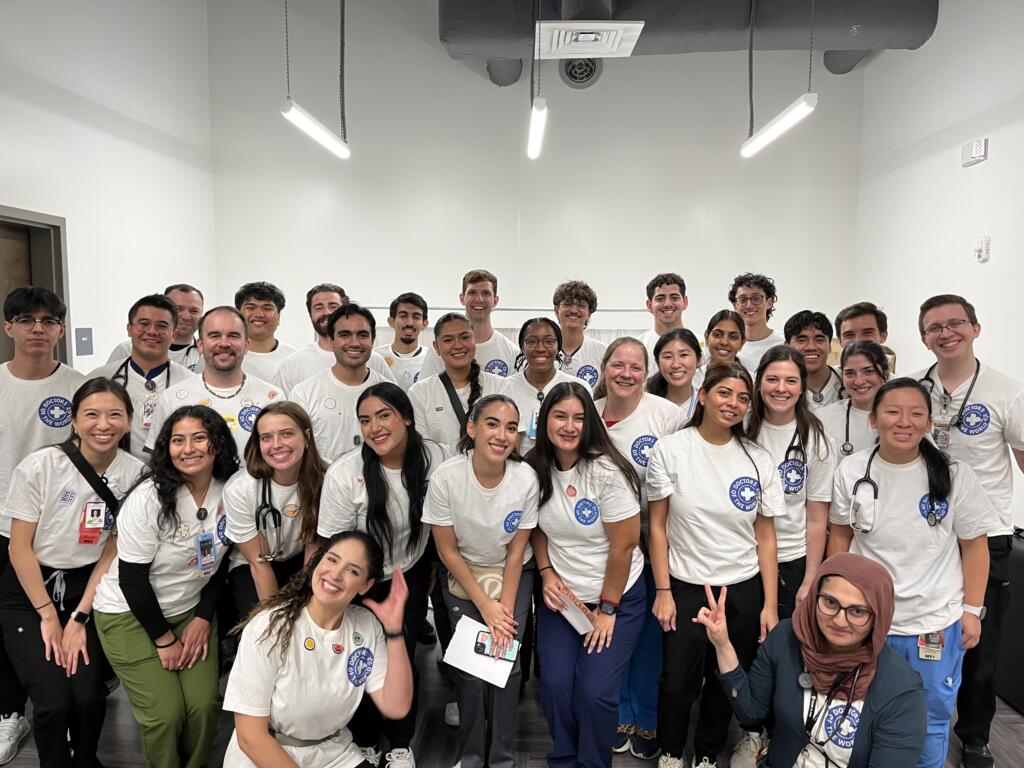
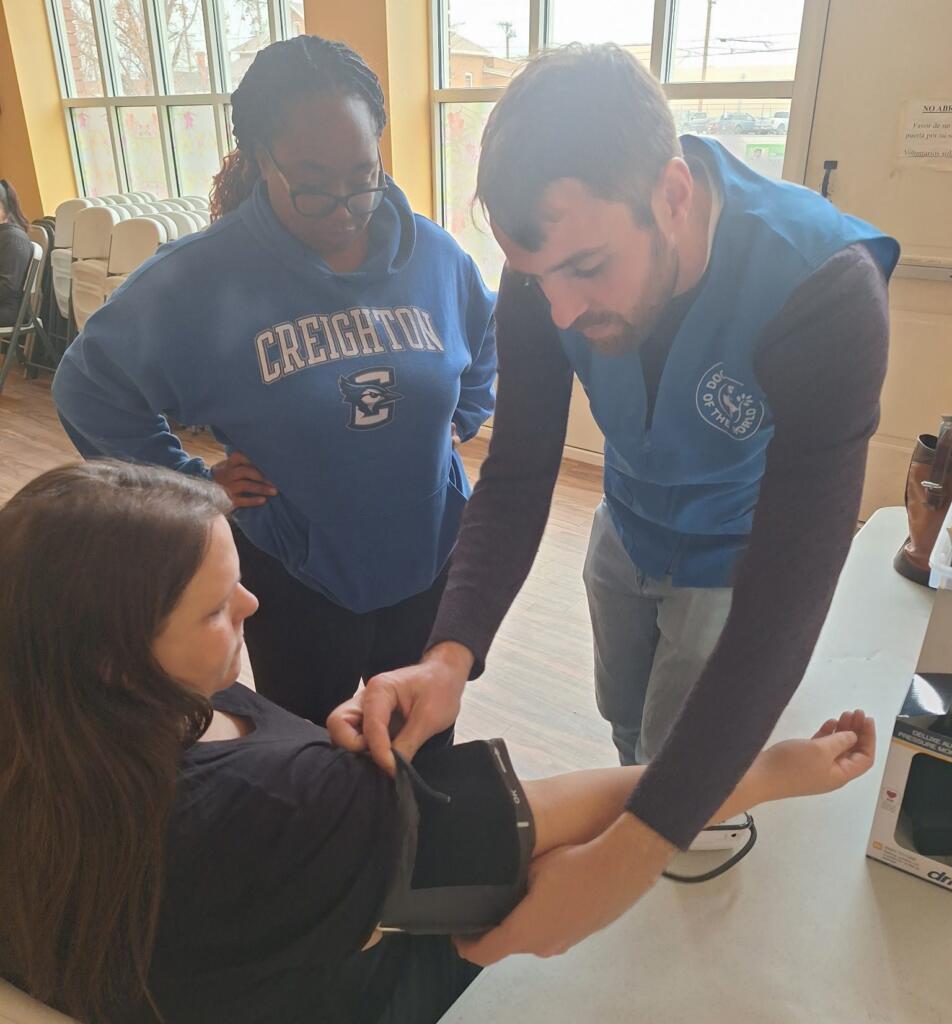
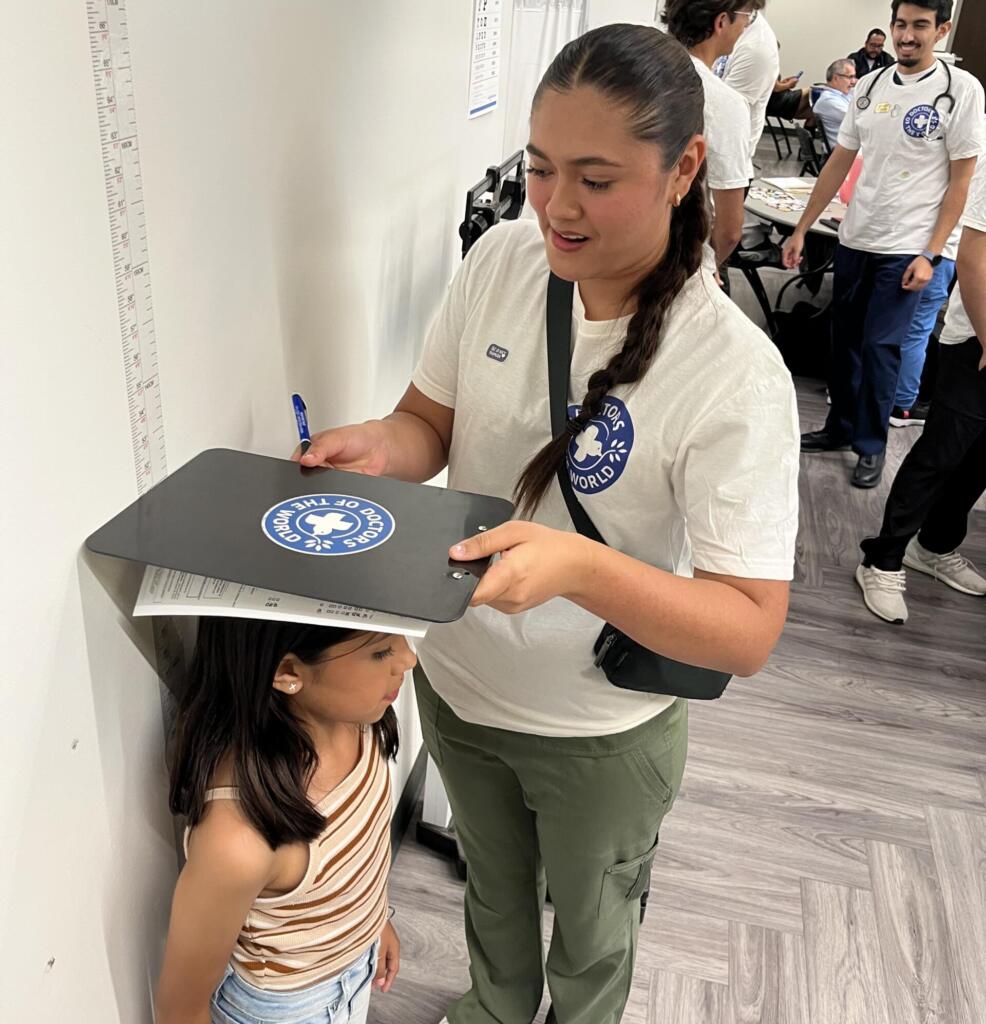
In El Paso, we’re responding to the impact of immigration enforcement on healthcare access by working within the broader ecosystem that supports immigrant communities. Doctors of the World USA partners with shelters, legal organizations, and community groups to identify people who are struggling to access care and connect them to the services they need. Through our Border Health Program, we provide primary care, sexual and reproductive health services, and mental health and trauma‑informed support—often reaching individuals referred by partners who see their needs first. We also equip healthcare providers with practical guidance on patient protections and clinic protocols to help keep care settings safe and welcoming.
As Dr. Andy Koltun, who oversees our local clinics, explains, “We have personally seen the chilling effect that ICE enforcement has had on people’s ability to take control of their own health. Threatened out of formal healthcare settings and forced to ignore illnesses as long as possible, patients are left to face more serious and urgent health concerns with fragmented informal support systems.” He adds that Doctors of the World works to rebuild that care network by meeting patients in informal spaces they can access and connecting them to needed care—helping them restore both their physical and psychological health.
But no single organization can meet this growing need alone. To ensure people living at the margins are not left without care, we need deeper coordination: stronger referral pathways, shared resources, and unified outreach across sectors. By working together, local support networks can help people access not just healthcare, but stability, safety, and dignity.