

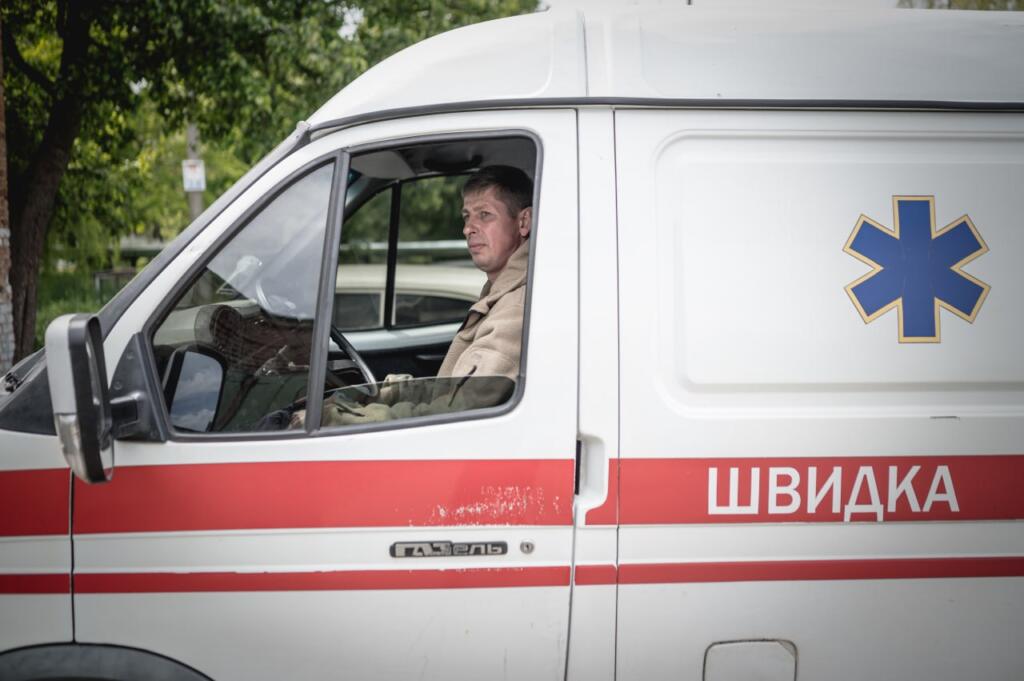
Four years after the start of the full-scale war, Ukraine’s healthcare system continues to function, but access to care is increasingly difficult. Ongoing attacks, damaged infrastructure, insecurity and displacement have made it hard to reach even basic medical services, especially for people living close to the frontline.
In many communities, hospitals and health centres still exist, but distance, shelling, power cuts, lack of transport and staff shortages keep people from receiving timely care. This gap between available services and actual access affects entire communities—and even more strongly older people, people with disabilities, patients with chronic illnesses and those unable to leave their homes.
A Health System Enduring Under Attack
After four years of full-scale war, one of the most repeated words is “resilience.” Communities resist, families resist, and public services resist. And while Ukraine remains standing, resilience is not the same as stability.
To endure a prolonged war means living in constant uncertainty, operating through enormous effort, and accepting instability as the new routine. Cities learn to live with the understanding that what works today might not work tomorrow, and this ongoing instability affects every aspect of life.
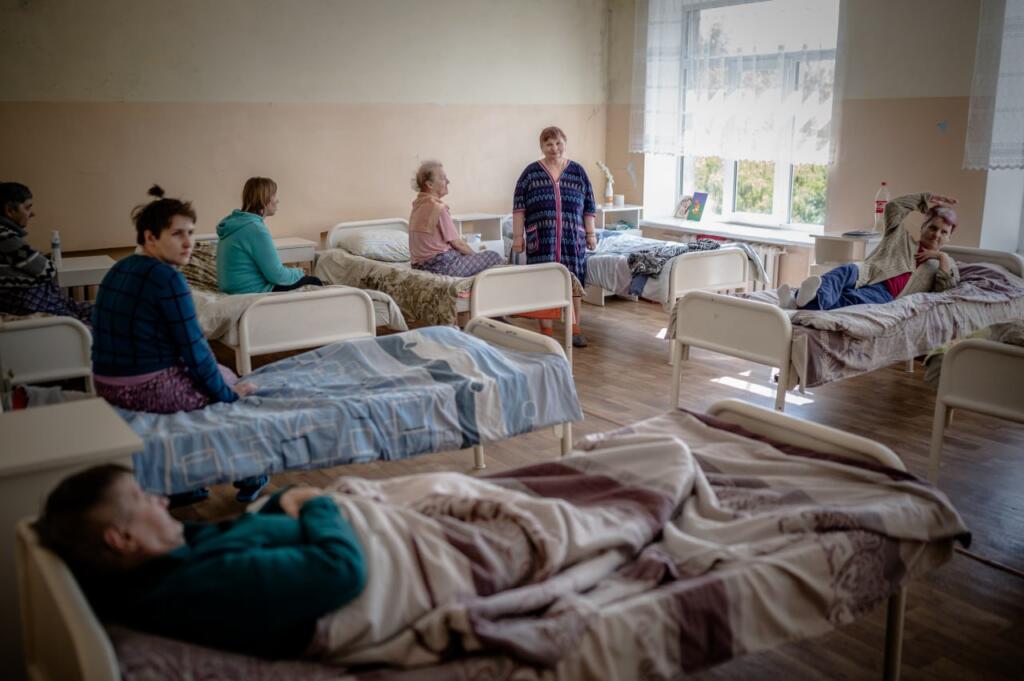
Health is one of the clearest indicators. While many health facilities continue operating, they do so in extremely difficult conditions. From 2024 to February 2026, more than 1,600 attacks against health infrastructure—including hospitals, clinics and ambulances—have been documented. Over 400 health workers have been killed. Damaged infrastructure and electricity outages directly affect the daily functioning of medical facilities.
In this context of profound insecurity, every day requires immense effort to keep essential services running. This is not a situation of stability—it is forced operability in the midst of a humanitarian crisis.
From Paper to Reality: When Existing Services Do Not Mean Accessible Services
These four years of war are not measured only in attacks. They are measured through the daily obstacles and barriers the population faces. Many public services still exist, but many people cannot use them.
What are the main barriers?
- Insecurity limits movement, especially in areas near the frontline.
- Power cuts and damaged infrastructure disrupt health facility operations.
- Distances to services increase, particularly in rural areas.
- The cost of medicines, tests, consultations and transport is too high.
These barriers cause many people to delay or avoid seeking medical care. Not because a health centre does not exist, but because reaching it may involve high costs, risks or difficulties. This widening gap between existing services and services people can actually use has become one of the clearest consequences of four years of war.
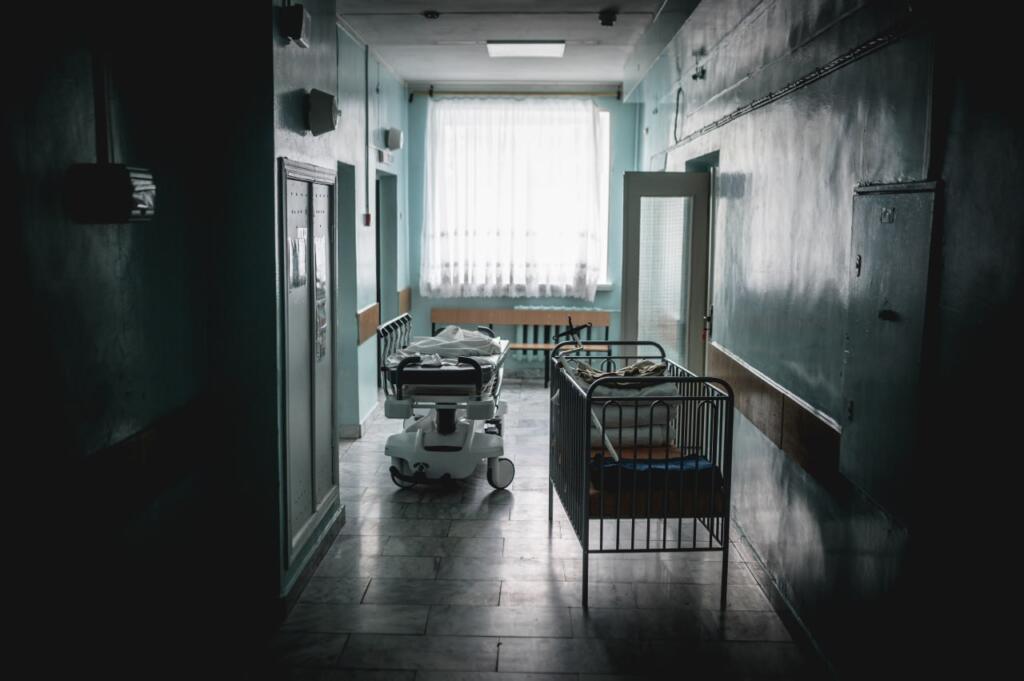
The situation is particularly difficult for the most vulnerable:
- Older people,
- People with disabilities,
- People living with chronic illnesses—
- all of whom depend on continuous care, regular medication and often physical support to move around.
Barriers to care have direct health consequences: delays in seeking help, interruptions in essential treatments—especially for chronic diseases—and growing dependence on humanitarian services or private purchases of medicines. For many, maintaining treatment is not only a matter of health, but of survival. Ensuring that no one is left behind is therefore an urgent priority in Ukraine’s healthcare response.
Health Workforce in Ukraine: Exhausted and Shrinking
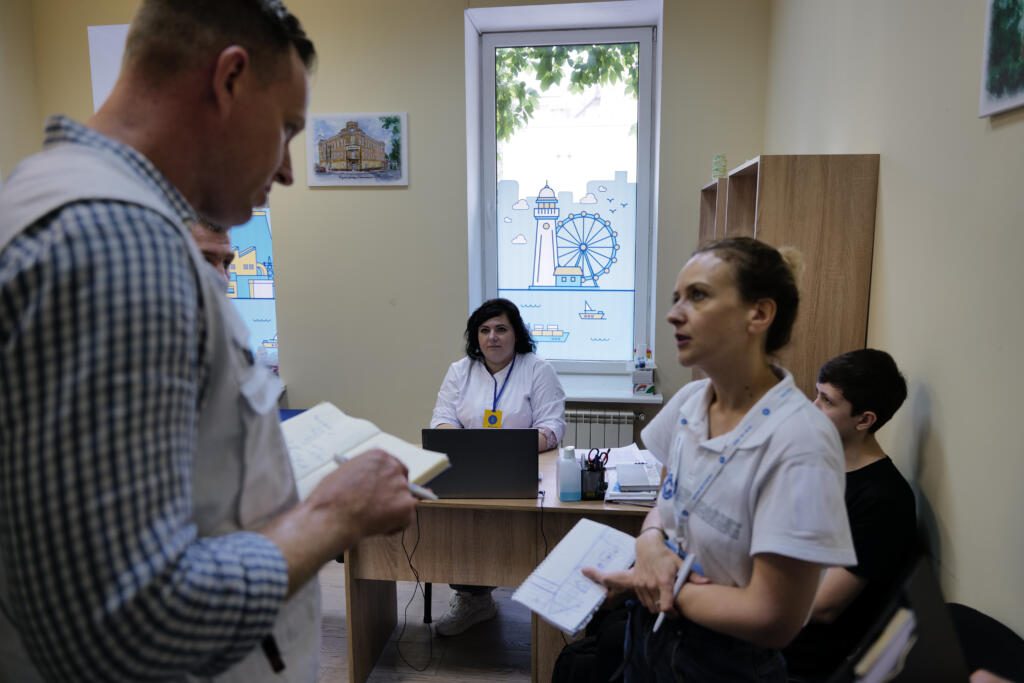
In Ukraine, health services have stayed operational thanks to the extraordinary adaptability of healthcare workers. To sustain daily care, teams have redistributed tasks, taken on new roles, trained as they go, and integrated basic mental health support into primary care. These measures help in the short term, but they also pose risks to quality and are difficult to maintain long-term.
The state of the workforce reveals how strained the system is: in some rural and frontline areas, up to half of the required medical staff are missing; many healthcare workers are over 60; and stress and emotional fatigue are constant. Added to this is the lack of formal support for their well-being. The Ukrainian health system now relies heavily on the resilience of its staff—underscoring the urgent need to invest in those who hold the system together every day.
Mental Health and Burnout: An Invisible Emergency
Four years of conflict leave a deep mark that is not always visible. Constant air-raid alarms, shelling, displacement, blackouts and prolonged uncertainty have triggered widespread anxiety, insomnia and depressive disorders. Requests for psychological support are rising significantly.
But seeking help is not always easy. Many people do not know where to go, and in frontline areas the priority is day‑to‑day survival. Stigma also remains a major barrier.
Doctors of the World integrates mental health and psychosocial support into its medical response. Psychologists work with communities through individual consultations, group sessions and psychoeducational activities. Over time, people become more open, share their experiences and begin to rebuild trust—both in others and in themselves—although stigma and limited resources still hinder full response to the psychological toll of war.
4 Years Later: What Is Doctors of the World’s Response in Ukraine?
Since 2014, Doctors of the World has been working in Ukraine to improve access to healthcare in regions most affected by the conflict.
At this point in the war, our intervention focuses on areas with the greatest needs and the most difficult access to health services. The strategy is clear: bring care to where people are.
Our teams travel directly to villages and homes. They provide primary health consultations, distribute essential medicines, support the management of chronic diseases, facilitate referrals and hospitalisations when needed, and assist people who would otherwise remain without care.
For many patients, this means no longer having to undertake dangerous or impossible journeys.